Bariatric surgery beats GLP-1s for type 2 diabetes, study finds
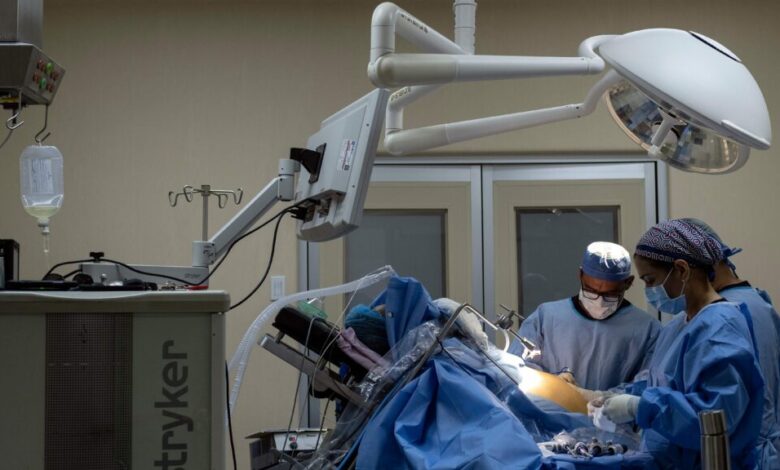
Endocrinologist Mary Elizabeth Patti has a holistic approach when it comes to treating patients with type 2 diabetes who could benefit from weight loss. She understands that factors like social vulnerability, low income, food insecurity, and limited access to healthcare play a significant role in the development of type 2 diabetes and obesity.
Patti has been leading long-term clinical trials comparing bariatric surgery to medication and lifestyle management for type 2 diabetes. One of these trials in 2024 showed the superiority of bariatric surgery in terms of lower blood glucose levels, higher weight loss, reduced need for diabetes medications, remission of diabetes to the point of not requiring insulin injections, and decreased risk factors for cardiovascular disease.
In a new analysis published in the Annals of Internal Medicine, Patti and her colleagues looked at how different social determinants of health impacted outcomes after bariatric surgery compared to medical therapy for people with type 2 diabetes and obesity. They found that bariatric surgery was more effective across all social backgrounds, challenging the notion that it was only beneficial in areas of higher deprivation.
The study, conducted in Boston, Cleveland, Pittsburgh, and Seattle, initially assigned participants to either medical therapy or one of three surgical approaches. Over time, fewer people opted for lap band surgery, and newer obesity drugs became more prevalent. Some participants switched between medical therapy and surgery, and by year 12, a significant number were receiving incretin-based therapy, including newer GLP-1 drugs.
Despite challenges related to socioeconomic factors, Patti emphasized the importance of considering bariatric surgery as a durable therapy for type 2 diabetes and obesity. She highlighted the sustained benefits of surgery in activating mechanisms that improve appetite, metabolism, and diabetes control.
While newer obesity drugs may offer alternative options, bariatric surgery remains underutilized, according to Jason Samuels, a professor of surgery at Vanderbilt. He stressed the need for large, long-term studies to determine the best treatment strategy for individual patients.
Patti advocates for keeping surgery as a viable option in discussions with patients, citing its effectiveness in improving diabetes control, remission, reducing complications, and prolonging survival. Ultimately, the choice between surgery and medications depends on what is best for each individual patient.
In conclusion, the study underscores the importance of considering social determinants of health in diabetes care and the potential benefits of bariatric surgery in managing type 2 diabetes and obesity.