Bayer agrees to $7.25B proposed settlement over Roundup cancer lawsuits
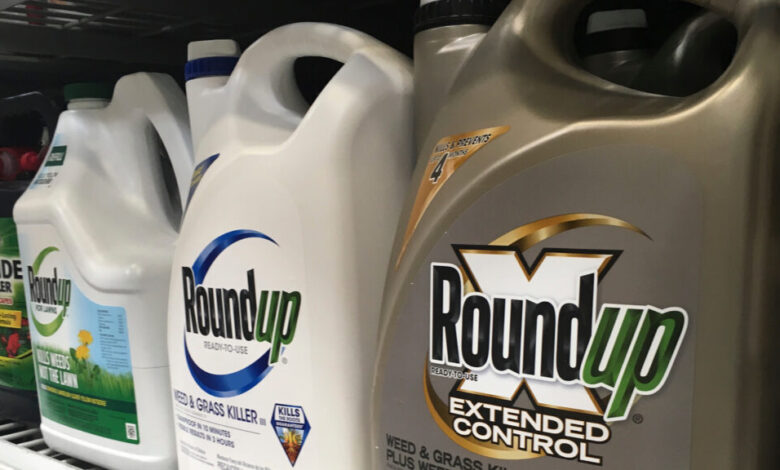
Bayer, the agrochemical giant, has reached a groundbreaking settlement of $7.25 billion with attorneys representing cancer patients in the United States. This settlement aims to resolve the thousands of lawsuits alleging that Bayer failed to warn consumers about the cancer risks associated with its popular weedkiller, Roundup.
The timing of this proposed settlement coincides with the upcoming Supreme Court hearing in April, where Bayer is arguing that the EPA’s approval of Roundup without a cancer warning should invalidate state court claims. It is important to note that this settlement would not impact the Supreme Court case. However, it does provide reassurance to patients that they will receive compensation regardless of the court’s ruling, while also safeguarding Bayer from potentially larger costs in the event of an unfavorable outcome.
Despite Bayer’s acquisition of Roundup maker Monsanto in 2018, the company maintains that glyphosate, the key ingredient in Roundup, does not cause non-Hodgkin lymphoma. Nevertheless, the mounting legal costs have posed a significant threat to Bayer’s ability to continue selling Roundup in the U.S. agricultural markets.
The proposed settlement, filed in St. Louis Circuit Court in Missouri, where many of the lawsuits originated, is subject to court approval. It seeks to address the majority of remaining lawsuits and any future cases brought by individuals exposed to Roundup prior to the settlement date. Should a significant number of plaintiffs opt out of the settlement, Bayer reserves the right to cancel the agreement.
The settlement outlines a payment structure over 21 years, totaling up to $7.25 billion, with varying payouts based on factors such as the individual’s age at diagnosis, the severity of non-Hodgkin lymphoma, and the extent of Roundup exposure. While the proposed settlement aims to provide meaningful compensation to affected individuals, some attorneys representing plaintiffs have expressed concerns about the adequacy of the payouts.
In response to the lawsuits, Bayer has ceased using glyphosate in Roundup for residential lawn and garden products in the U.S. market but continues to use it in agricultural products. Despite conflicting studies linking glyphosate to cancer, the EPA maintains that it is not likely carcinogenic when used as directed, and the Roundup label does not include a cancer warning.
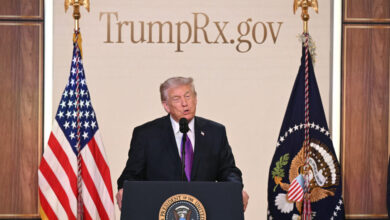
Bayer’s legal argument rests on federal pesticide laws preempting state labeling requirements, thereby prohibiting failure-to-warn lawsuits under state laws. The company has received support from the Trump administration, which has reversed the position taken by the Biden administration, further complicating the legal landscape surrounding Roundup.
As Bayer navigates these legal challenges, it has also been actively lobbying state legislatures to shield pesticide manufacturers from failure-to-warn lawsuits, aligning with federal labeling requirements. Some states, such as North Dakota and Georgia, have already enacted laws in support of this initiative.
The proposed settlement signifies a significant step towards resolving the Roundup litigation, providing a path to closure for Bayer while ensuring compensation for affected individuals. The outcome of this settlement and the ongoing legal battles surrounding Roundup will continue to shape the future of agrochemical regulation and consumer safety.