Bayer proposes $7.2 billion settlement to resolve Roundup weedkiller cases
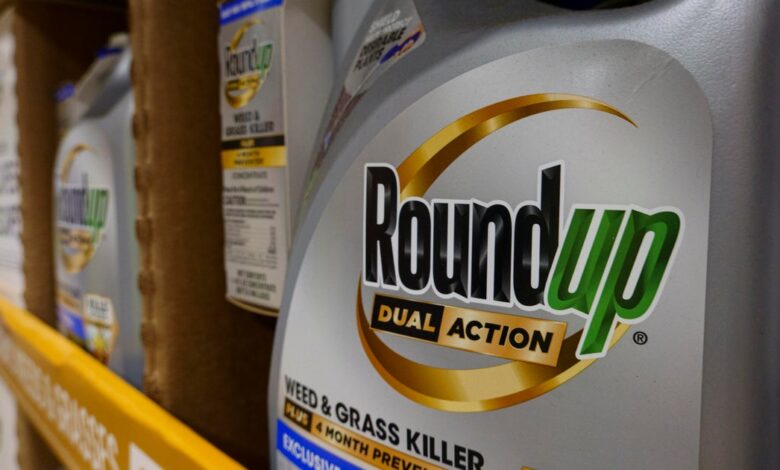
Bayer’s Monsanto subsidiary has announced a $7.25 billion settlement proposal to address lawsuits from customers who claim that the Roundup weedkiller product caused non-Hodgkin lymphoma. If approved by the court, the settlement will involve annual payments over a period of up to 21 years. Individuals diagnosed with non-Hodgkin lymphoma and exposed to Roundup before the settlement announcement can file claims to receive compensation.
Non-Hodgkin lymphoma is a type of cancer that affects the body’s infection-fighting immune system. Bayer emphasized that the settlement agreement does not imply any admission of liability or wrongdoing. However, the company’s litigation liability will increase from 7.8 billion euros to 11.8 billion euros as a result of these resolutions.
In addition to the $7.25 billion settlement, Bayer has also reached agreements to resolve other Roundup-related cases, amounting to approximately $3 billion. These settlements come after Bayer acquired Monsanto in 2018 for $63 billion and faced numerous lawsuits related to Roundup. In a high-profile case in 2020, a California man was awarded $332 million by a jury for Monsanto’s failure to adequately warn consumers about the risks associated with Roundup.
Despite the legal challenges, Roundup remains available for sale online and in major retailers. Bayer maintains that Roundup products are safe, citing thorough testing and review of their ingredients. The company continues to stand by the safety of Roundup despite the ongoing legal battles.
Overall, Bayer’s efforts to settle Roundup-related lawsuits reflect a significant financial commitment to address the allegations surrounding the popular weedkiller product. The proposed settlement aims to provide compensation to individuals affected by non-Hodgkin lymphoma while allowing Bayer to resolve legal disputes and move forward. This development underscores the importance of transparency and accountability in the pharmaceutical and agricultural industries.