Behind the controversial AI tech used to inspect rental vehicles for damages
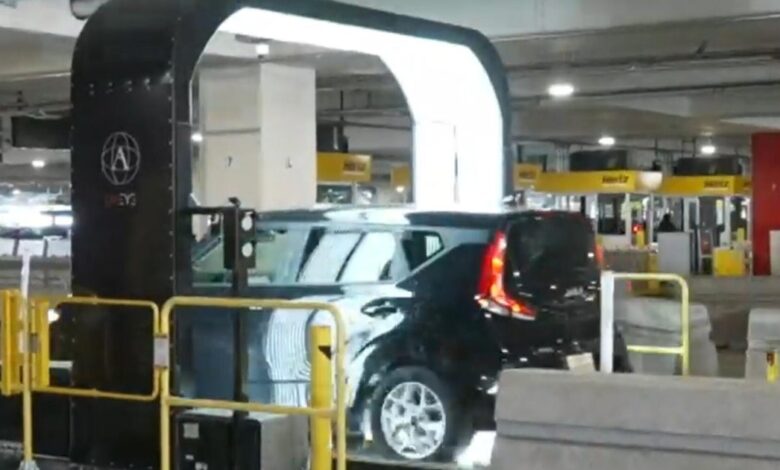
The use of artificial intelligence scanners by rental car companies to spot damage on vehicles has raised concerns among consumers as Labor Day weekend approaches. Some customers have reported surprise repair costs and additional fees after returning rental cars with damages identified by AI-powered photo booths.
One such case involved Adam Foley and his wife, who rented a car from Hertz during a family trip to Atlanta. Upon returning the vehicle to San Antonio, Foley received automated messages claiming damages totaling $350 for two small dents and a processing fee. Foley expressed his frustration on LinkedIn, calling the charges “extortive.”
The technology behind these AI scanners involves taking high-resolution images of vehicles before and after rentals. Hertz, in partnership with UVeye, a New Jersey-based software company, has implemented this system at 10 U.S. airports with plans for a nationwide rollout. The company claims that the new process provides greater precision, objectivity, and transparency compared to manual inspections, reducing confusion and frustration for customers.
Lawmakers, including Democratic Sen. Richard Blumenthal and Republican Rep. Nancy Mace, have demanded explanations from Hertz regarding the use of this technology and the fairness of the fees charged to consumers. Consumer advocate Lindsay Owens highlighted the potential for such technology to streamline processes but cautioned against overcharging customers.
While Hertz has defended the use of AI scanners for damage assessment, other rental companies like Sixt are also utilizing similar technology. Avis explored AI in 2019 but maintains a human-led damage assessment process. Enterprise Mobility, on the other hand, does not currently use AI scanners at their rental locations.
UVeye, the software company behind the inspection systems, stated that the scanners are calibrated to detect various levels of damage based on the client’s needs. The goal is to enhance vehicle safety, reduce manual inspections, and provide customers with confidence in the assessment process.
Despite concerns raised by customers like Foley, Hertz reports that over 97% of scanned rentals showed no billable damage. A recent CBS News investigation found that Hertz did not proactively inform customers about the AI system in use but did not charge for any damages in the rented vehicle.
Overall, while AI technology offers benefits in streamlining processes and improving accuracy, consumer advocacy and transparency are crucial to ensure fair treatment and customer satisfaction in the rental car industry. As technology continues to advance, rental companies must strike a balance between efficiency and consumer protection.