Big Advertisers Appear Wary of CBS News’ Bari Weiss Town Hall Format
The Rise of Town Hall Discussions on CBS News
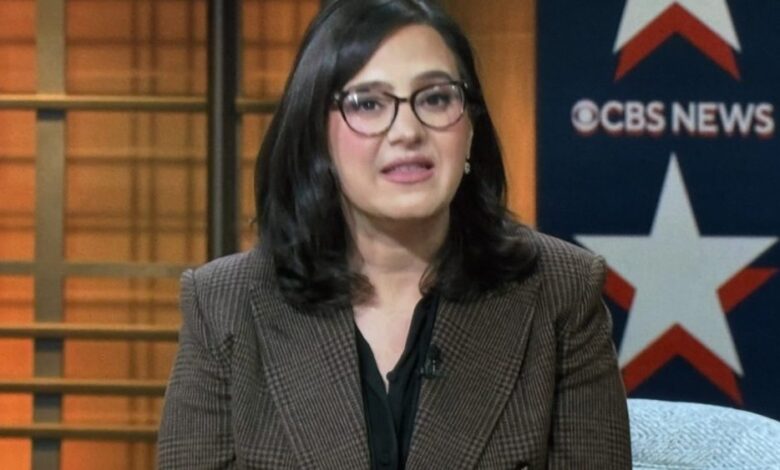
On a Saturday night, CBS News took a bold step by hosting a town hall led by Bari Weiss, the new editor in chief. This unique program featured an interview with Erika Kirk, CEO of Turning Point USA, a conservative advocacy organization. The tragic assassination of her husband, former leader Charlie Kirk, during one of the organization’s events at Utah Valley University, shed light on the political and cultural divisions in the U.S.
This event marked a departure from CBS News’ usual programming, as they do not typically host town halls or debates. The choice of Bari Weiss as moderator also raised eyebrows, as senior editorial executives usually remain behind the scenes in modern TV news organizations.
Weiss hinted at more similar conversations to come on CBS, stating that there will be “more town halls, more debates, more talking about the things that matter.” This suggests that CBS is planning to dedicate more airtime to such programs in the future.
The town hall aired at 8 p.m. on a Saturday, typically a low-viewership hour on broadcast TV. This resulted in a lack of top advertisers supporting the show, with commercial breaks dominated by direct-response advertisers offering products like SuperBeets, HomeServe.com, and CarFax.
CBS News’ ability to secure sponsorship for future town halls will be crucial, especially if they plan to expand this new format. However, the lack of interest from advertisers in the first program raises questions about future support.
Some of the sponsors for the town hall included companies aligned with the show’s audience, such as the Heritage Foundation, Hallow, and the International Fellowship of Christians and Jews. Mainstream advertisers like Spotify and TikTok also made an appearance.
CBS’ venture into this type of programming goes against the current trend in TV news advertising, where marketers are cautious about associating their brands with polarizing content. However, networks like Fox News have seen success in attracting new advertisers to news and opinion shows.
The underlying issue, according to industry experts, is the growing polarization in U.S. society and the potential backlash from consumers when advertisers are perceived as aligning with a particular political viewpoint. Marketers are also wary of their commercials appearing alongside sensitive topics like war, mass shootings, and debates on cultural values.