“Big, beautiful bill” ends tax breaks for electric vehicles. Here’s what to know.
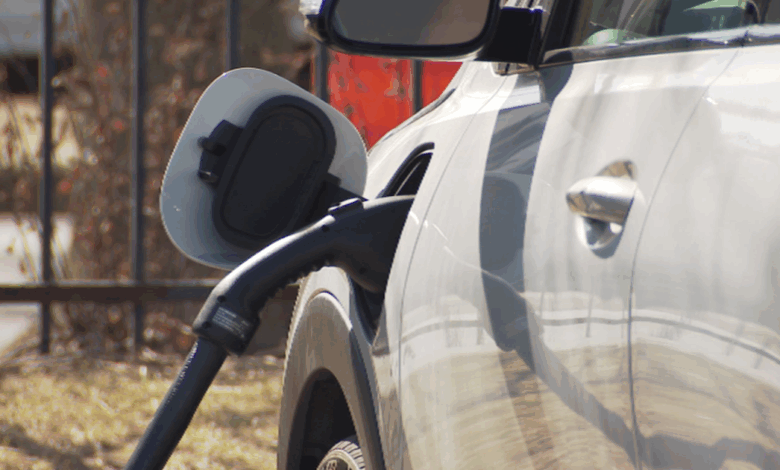
The recent tax and spending cut bill passed by Congress has brought an end to federal tax incentives for electric vehicles. As of September 30, buyers will no longer qualify for the $7,500 federal tax credit on new EVs or the up to $4,000 credit on used EVs. These incentives were initially put in place to make electric vehicles more affordable for consumers.
Before the bill passed, the average purchase price of a new EV in the United States was approximately $9,000 higher than that of a new gas-powered car. Used EVs also cost around $2,000 more than comparable gas cars. These tax credits, combined with other state incentives, helped bridge the price gap and make EVs more accessible to lower- and middle-income Americans.
Despite the removal of federal tax credits, experts still believe there are strong financial reasons to consider purchasing an electric vehicle. Ingrid Malmgren, Senior Policy Director of Plug In America, stated that while the upfront cost of an EV may be higher, the lifetime fuel and maintenance savings can make them a smart financial and environmental choice.
Electric vehicles may not be cheaper to buy initially, but they are cheaper to drive in the long run. Malmgren highlighted that EV owners save on fuel costs and maintenance expenses, as electric cars have fewer moving parts and require less servicing compared to gas cars.
A study published in the academic journal Joule found that an average EV in the U.S. charged with a mix of public and private chargers could save the driver $7,700 in fuel costs over a 15-year lifespan. Savings vary by state, with drivers in Washington potentially saving over $14,000 in fuel costs over 15 years. The study did not factor in the purchase price, maintenance costs, or tax credits associated with EV ownership.
While manufacturing an electric vehicle may create more pollution than producing a traditional gas-powered car, driving an EV over the long term still results in lower overall emissions. According to the U.S. Department of Energy, the emissions from an average EV are approximately half that of a gas car by the end of its life.
In conclusion, experts emphasize that electric vehicles are a cleaner and more efficient choice, even in areas where the electricity used to charge them comes from coal. Electric cars are better at converting energy into forward motion, making them a more environmentally friendly option compared to gas-powered vehicles. Despite the removal of federal tax incentives, the financial and environmental benefits of owning an electric vehicle remain compelling.