Bioethanol redundancies to start next week after rescue ruled out
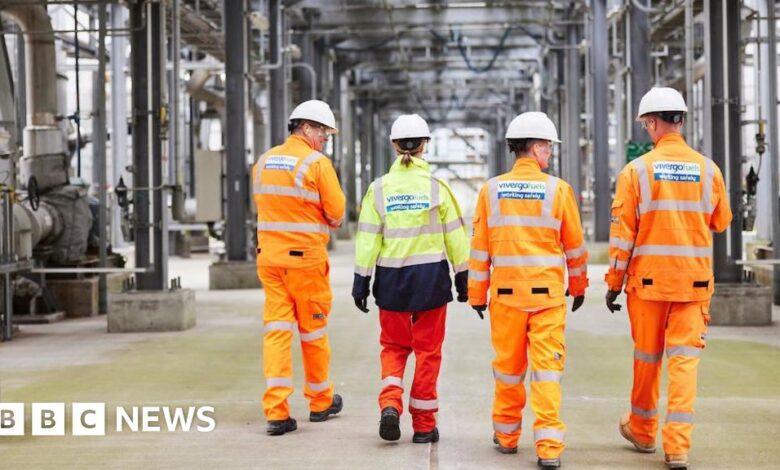
The closure of the UK’s largest bioethanol plant, Vivergo Fuels, marks a significant blow to the renewable energy sector in the country. The government’s decision not to offer a rescue package to the industry has led to the plant shutting down its operations, with the first round of redundancies taking effect on Tuesday.
Owned by Associated British Foods, Vivergo Fuels and Ensus, the UK’s second-largest bioethanol plant in Redcar, had been struggling to compete after a US-UK trade pact removed a 19% tariff on ethanol imported from the US. This move, which allowed for tariff-free imports up to a quota of 1.4 billion liters, rendered the businesses commercially unviable, according to the companies.
Despite efforts to present a plan to return the firm to profitability, AB Foods’ discussions with the government did not result in a rescue package. The closure of these plants, which employ 270 people, could have a ripple effect on thousands more in the supply chain.
In response to the government’s decision, AB Foods expressed disappointment, stating that the potential for growth in the clean fuels sector had been squandered. The company emphasized that the plant should have been profitable under the right regulatory environment, citing successful similar plants in Western Europe.
The government, on the other hand, defended its stance, stating that direct funding would not provide value for the taxpayer or solve the long-term issues facing the industry. While acknowledging the challenges faced by workers and their families, the government pledged to work with trade unions, local partners, and the companies to support those affected by the closures.
The GMB union criticized the government for prioritizing trade deals over the livelihoods of working people, highlighting the devastating impact on communities. The union also called out the government for its failure to develop a comprehensive green energy strategy that protects clean energy jobs in the UK.
Bioethanol, a fuel made from wheat, grains, or sugar beet, plays a crucial role in the UK’s fuel industry. However, government delays in transitioning to petrol with higher bioethanol content have hindered the sector’s growth. The government’s target of sourcing 10% of all fuel used in planes from sustainable sources by 2030 includes bioethanol as a key component.
In addition to its renewable energy benefits, the bioethanol industry supports UK farmers by purchasing thousands of tonnes of wheat and contributes significantly to the production of commercial carbon dioxide. The government has pledged to continue working on measures to ensure the resilience of the CO2 supply chain.
The closure of Vivergo Fuels and Ensus underscores the challenges faced by the renewable energy sector in the UK. As the government grapples with balancing trade agreements and environmental commitments, the future of bioethanol production in the country remains uncertain.