Blue Owl calls off merger of its two private credit funds after announcement rattles stock
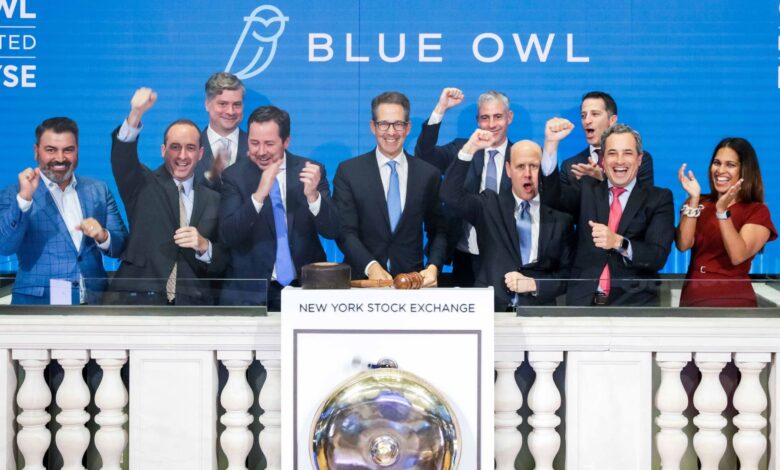
Blue Owl has decided to call off the merging of two of its private credit funds after the deal caused some angst among investors, according to sources familiar with the matter.
The firm had initially planned to merge its smaller, nontraded Blue Owl Capital Corporation II (OBDC II) into the larger, publicly traded fund Blue Owl Capital Corporation (OBDC). However, the deal sparked concerns among investors as it would have restricted investors in the $1.7 billion OBDC II from redeeming until the deal closed, resulting in potential paper losses of about 20% based on the trading value of the $17.1 billion OBDC.
The news of the restricted redemptions led to a 6% drop in Blue Owl Capital’s shares on Monday. This added to existing worries about the private credit industry, particularly in the segment that is heavily financing the artificial intelligence data center build-out, which some believe is overhyped. The stock did rebound slightly on Tuesday.
After assessing the situation, the boards of both funds concluded that the benefits of merging the funds did not outweigh the negative impact of the deal. As a result, they decided to reverse course and terminate the proposed merger. Blue Owl officially confirmed the termination in a press release, citing “current market conditions.”
Craig Packer, the CEO of both funds, expressed confidence in the strength of both funds and their ability to deliver attractive returns independently. He mentioned that they are working with the board to explore the best future opportunities for OBDC II.
Following the termination of the merger, OBDC II will allow investors to redeem in the first quarter, according to sources requesting anonymity. The fund typically offers liquidity on a quarterly basis.
In the aftermath of these developments, Blue Owl’s shares remained relatively stable in Wednesday’s trading session. The decision to call off the merger reflects the firm’s commitment to prioritizing the interests of its investors and maintaining transparency in its operations.