Bollywood Bounces Back But Streaming Stagnates, Says Ormax Chief
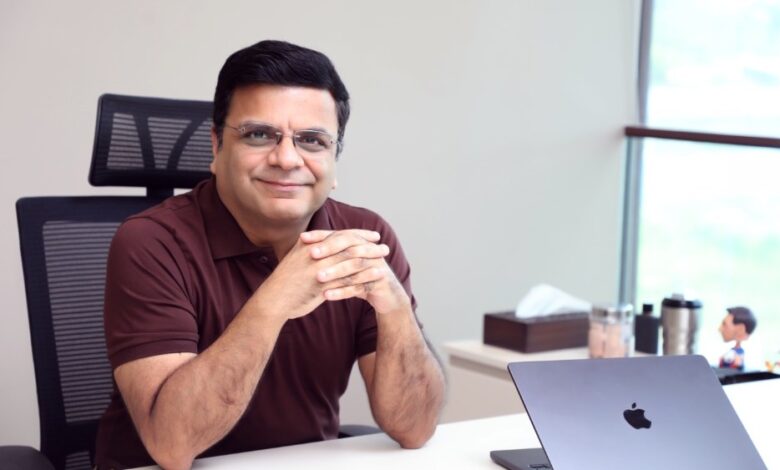
The Indian entertainment industry is currently witnessing a tale of two recoveries, as highlighted by Shailesh Kapoor, founder and CEO of Ormax Media. The theatrical business is experiencing a resurgence, while streaming platforms are facing challenges with subscription stagnation.
In a recent interview with Variety, Kapoor shared insights into the current state of Bollywood and regional cinema. He mentioned that Bollywood has seen a revival this year, with a more diverse range of films performing well at the box office compared to the previous year. Instead of relying solely on blockbusters, the industry is benefiting from the success of mid-sized films in the INR150-200 crore range, providing stability and reducing dependence on a few stars or franchises.
Audience behavior has evolved post-pandemic, with viewers showing a willingness to support quality content across genres, not just big-budget action films. However, Kapoor emphasized the need for continued growth in the industry, stressing that stagnation is not ideal for long-term success.
Pricing strategy has played a crucial role in the success of recent films, with early discount announcements allowing audiences to access movies at more affordable ticket prices. Looking ahead, Kapoor highlighted upcoming releases like the Kannada-language “Kantara” prequel and the Hindi-language “Dhurandhar” as potential hits that could appeal to a wider audience.
While the theatrical sector shows signs of recovery, the streaming industry is facing challenges. Kapoor pointed out that paid subscriptions have plateaued in India, leading platforms to explore ad-supported models for growth. This shift has also impacted film acquisition costs, with platforms becoming more cautious in their approach.
The recent JioCinema-Hotstar merger and the launch of JioStar have introduced new dynamics in the streaming landscape, with a focus on content acquisition and audience targeting. Kapoor highlighted the importance of reaching Tier 2 and Tier 3 audiences, noting that representation in original shows needs to be more inclusive to reflect the diversity of the country.
Television, despite facing challenges, remains a dominant force in the entertainment industry with a vast viewership. Kapoor emphasized the need for new formats, such as shorter vertical content, to drive growth in a smartphone-first market like India.
In conclusion, Kapoor highlighted the potential for growth in the Indian entertainment industry by tapping into new formats and reaching untapped audiences. Hollywood’s resurgence in India this year also presents opportunities for engaging the market further with international content. As the industry continues to evolve, adapting to changing consumer preferences and embracing new technologies will be key to long-term success.