Boulder’s Dry Storage mill aims to reinvent the local grain economy
Supporting Local Agriculture Through Specialty Grains
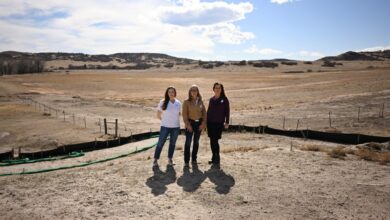
When baker Christie Rich discovered Winter Langin, a hard red winter wheat developed for Colorado’s arid climate, she knew it was perfect for her bread and pastries. Sourcing the wheat from a farmer in Weld County, just 25 miles from her Fort Collins bakery, The Bread Chic, allowed her to prioritize local and organic ingredients.
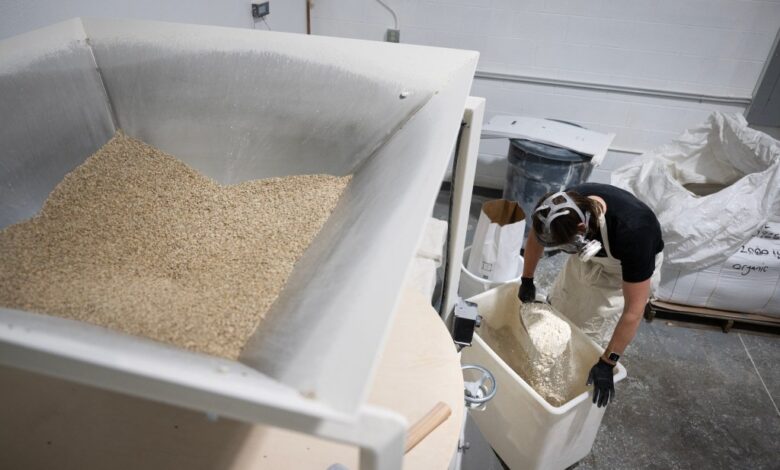
Unable to mill the grain herself due to the demands of her bakery, Rich found a solution in Dry Storage, a Boulder-based mill founded by chef Kelly Whitaker. Originally opened to support Whitaker’s restaurants, Dry Storage has since expanded to work with local farmers and supply a network of kitchens with heirloom flours.
The mission of Dry Storage, led by CEO Emily Philpott, is to scale Colorado’s regional grain economy sustainably. By partnering with local farms, the company ensures a market for heirloom and climate-sustainable grains, promoting a healthier food system and supporting the community.
Colorado barley farmers aim to brew a sustainable future with novel grains
Through partnerships with farmers, Dry Storage has increased its grain contracts and production, highlighting the importance of sustainable agriculture and community support. The company’s commitment to paying farmers fairly and providing resources for soil health demonstrates a holistic approach to food production.
By offering a variety of specialty flours and working directly with local producers, Dry Storage has become a staple in the Colorado culinary scene. Chefs like Zach Martinucci of Rebel Bread in Denver have embraced the unique flavors and freshness of Dry Storage’s products, elevating their baked goods.
For Rich at The Bread Chic, using Winter Langin wheat has not only enhanced the flavor of her products but also supported her commitment to local farmers. As she expands her bakery to a new location, she remains dedicated to using high-quality, locally sourced ingredients.
With a focus on flavor, nutrition, and sustainability, Dry Storage is paving the way for a more conscious approach to grain production and consumption. As consumer awareness grows, the demand for regenerative grains is expected to rise, making local agriculture a key player in Colorado’s culinary landscape.