Building an Accessory Dwelling Unit (ADU)? Read This First
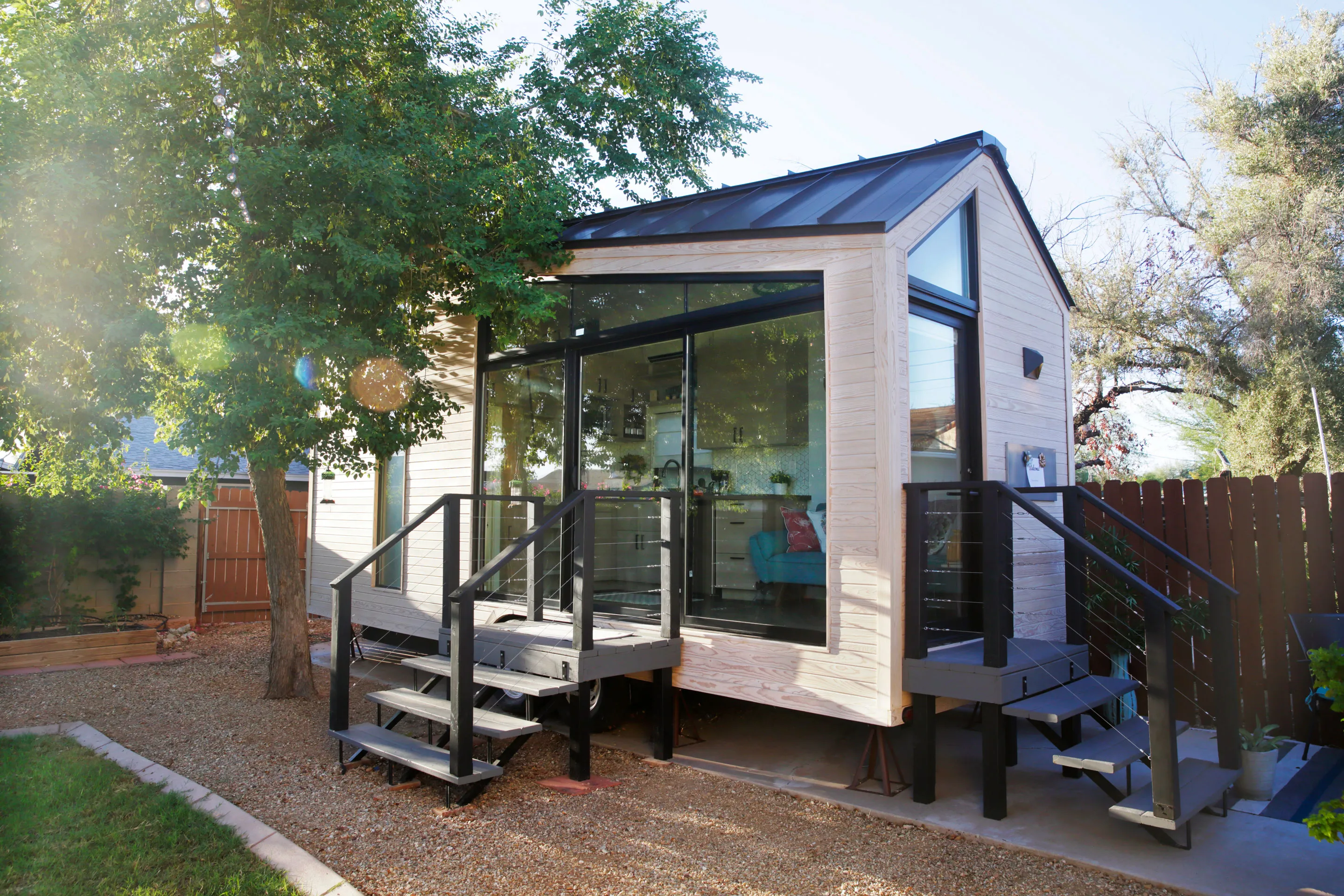
Looking to make better use of your empty basement, garden shed, or unused garage? You’re not alone. The latest study from the Federal Reserve of San Francisco in 2024 reveals that there are approximately 1.6 million accessory dwelling units (ADUs) across the United States, up from 1.4 million in 2020. This trend is expected to continue as states like California, Washington, and Maine have already passed laws to make it easier for homeowners to add ADUs.
The appeal of ADUs is evident in a tight housing market where homeowners can expand their living space without the hassle of moving. ADUs are versatile spaces that can serve as a rental unit, home office, or nanny’s room with ease. However, before diving into an ADU project, there are several key questions to consider.
Firstly, what exactly is an ADU? An ADU must function as a self-contained home with a separate entrance, kitchen, and plumbing. It can be attached or detached from the primary home, providing flexibility in design and use.
Secondly, is it legal to build an ADU in your area? Legal requirements for ADUs vary, so it’s essential to check with local zoning laws and obtain the necessary permits before starting construction.
Thirdly, how much will building an ADU cost? The average cost of an ADU in the U.S. is around $175,000, but costs can vary depending on size, design, and location. It’s crucial to factor in construction costs, design fees, permit fees, and utility connection costs when budgeting for an ADU project.
Fourthly, can you finance the cost of an ADU? While you can’t use a traditional mortgage for an ADU, there are financing options available, such as home equity loans, cash-out refinancing, construction loans, and FHA renovation loans. Consulting with a financial advisor can help you determine the best financing option for your project.
Fifthly, will an ADU increase your home’s value? Properties with ADUs in major cities command a 35% premium on average, while the value increase in other areas varies. Two or three-bedroom ADUs that cater to family living tend to generate the most value.
Sixthly, what are the risks of building an ADU? Higher maintenance, utility, and tax costs, as well as zoning and permitting challenges, are potential risks to consider. Additionally, finding tenants for a rental ADU may be challenging in some areas.
Lastly, what are your alternatives to building an ADU? Remodeling existing space or considering a tiny home are cost-effective alternatives to adding extra living space.
In conclusion, adding an ADU can provide additional living space and potential rental income, but it’s essential to carefully consider the costs, legal requirements, and potential risks before starting a project. Researching local regulations, exploring financing options, and choosing a design that fits your lifestyle and budget are key steps in successfully adding an ADU to your property.