Bulgaria is set to join the euro zone. Its citizens aren’t convinced
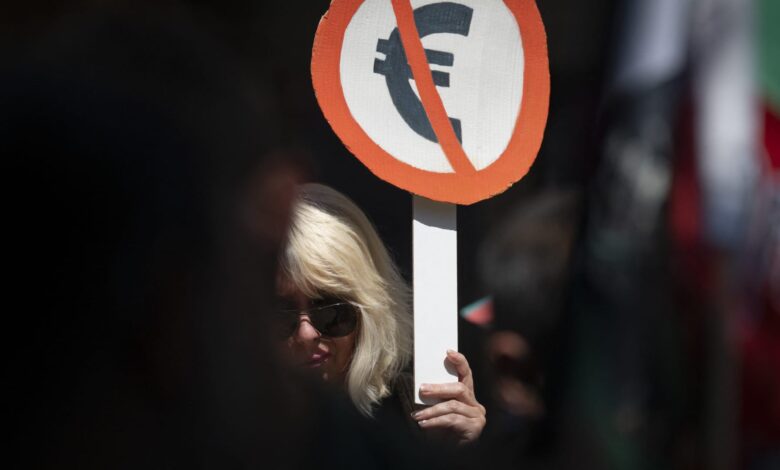
Bulgaria is on the brink of becoming the 21st member of the eurozone, a decision that has sparked mixed reactions among its population. While Prime Minister Rosen Zhelyazkov has championed the move as a means to enhance economic stability and growth, there are concerns about the potential repercussions of adopting the euro.
One of the primary worries is the possibility of inflation and higher prices during the currency switch. Many Bulgarians fear that their purchasing power may be eroded, particularly in rural areas. However, economists like Valentin Tataru from ING point out that Bulgaria’s currency has been pegged to the euro for a long time, mitigating the risk of a significant inflation spike.
Another key issue is the loss of independence that comes with adopting the euro. Andrius Tursa, an advisor at Teneo, highlights that the replacement of the Bulgarian Lev with the euro could be seen as a loss of national control by some citizens. Additionally, joining the eurozone means relinquishing control of monetary policy to the European Central Bank (ECB), potentially impacting the country’s ability to set its own interest rates.
Despite these concerns, there are potential benefits to Bulgaria joining the eurozone. Jasmin Groeschl, a senior economist at Allianz SE, believes that oversight from the ECB could enhance economic stability and growth in Bulgaria. Foreign investment may increase, and the country’s GDP could receive a boost from eurozone membership. Furthermore, deeper financial integration under the ECB’s supervision could strengthen Bulgaria’s financial system and enhance monetary stability.
Trade and tourism, two key sectors of Bulgaria’s economy, could also benefit from eurozone membership. Teneo’s Tursa notes that eliminating currency conversion costs by adopting the euro would facilitate trade and tourism flows with other eurozone countries, particularly important given Bulgaria’s strong integration into EU supply chains.
However, there are risks of political tensions surrounding Bulgaria’s euro adoption. Tursa warns that public opposition could fuel support for populist and Euroskeptic movements in the long run. Despite these challenges, Groeschl argues that the advantages of greater economic stability, reduced transaction costs, and stronger integration with the EU market outweigh the disadvantages of losing some economic autonomy.
In conclusion, while there are valid concerns about Bulgaria joining the eurozone, experts like Tataru believe that it is a strategic step towards securing long-term prosperity and deeper European integration. As the country prepares to make this significant transition, the debate over the pros and cons of eurozone membership continues to stir controversy among Bulgarians.