California law lets rapists, murderers leave prison at 50
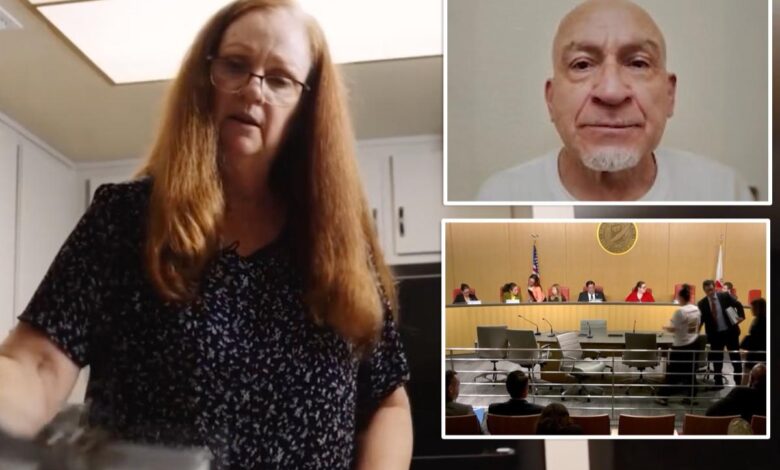
Victims of violent offenders in California are expressing their distress over a recent change in the state’s parole law that could allow rapists and murderers to be released from prison much earlier than expected. The controversial expansion of the “elder parole” law now allows inmates to seek early release at the age of 50, after serving just 20 years of their sentence.
Previously, inmates were only eligible for elder parole after serving at least 25 years and reaching the age of 60. However, the new law, implemented in 2021 to alleviate prison overcrowding, has raised concerns among victims and their families.
Jennifer Carvalho, a victim of rape, wrote a heartfelt letter to Governor Gavin Newsom, urging him to keep her rapist, Thomas Martinez, behind bars despite him turning 54. Martinez was sentenced to 56 years to life for raping Carvalho and another woman.
Carvalho shared her harrowing experience of being attacked by Martinez, recalling the fear she felt for her life and her son’s safety. She initially believed that Martinez would be incarcerated for life, only to discover that he could now be eligible for parole under the new law.
Similarly, Karen Huestis, whose mother was murdered by George Bouras in 1981, has also raised concerns about the possibility of her mother’s killer being released under the elder parole law. Bouras was sentenced to 25 years to life for the brutal murder of Nancy Nelson.
The parole eligibility of both Martinez and Bouras has been postponed following pleas from the victims and their families. Sacramento District Attorney Thien Ho has criticized the elder parole policy, calling it a “ticking time bomb” that endangers public safety.
California Assemblymember Stephanie Nguyen has called for a reassessment of the law, labeling it as “disgusting” and emphasizing the need to determine whether 50 years old is an appropriate age for parole eligibility. The policy does not apply to inmates serving life without the possibility of parole or those on death row.
Overall, the changes in California’s elder parole law have sparked outrage among victims and their families, who are calling for stricter measures to ensure that violent offenders remain behind bars for the safety of the community. The debate over parole eligibility for violent criminals continues as officials grapple with finding a balance between justice for victims and prison reform initiatives.