California urges people to avoid wild mushrooms after 4 deaths, 3 liver transplants
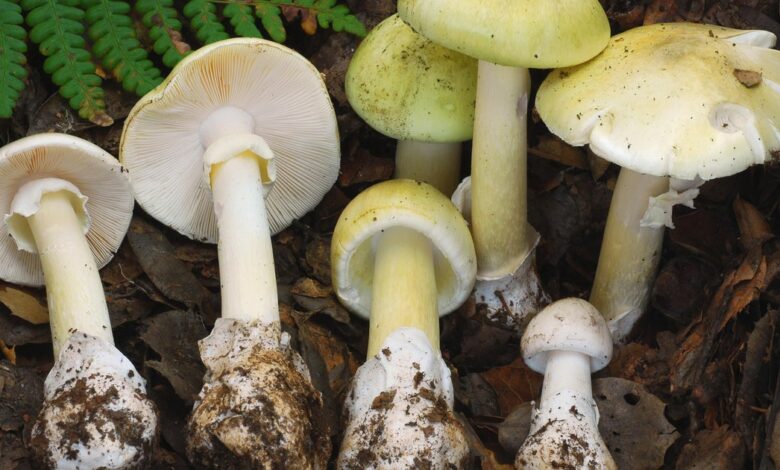
In California, a deadly mushroom known as the death cap has led to four deaths and three individuals requiring liver transplants. The California Department of Public Health has reported over three dozen cases of death cap poisonings since November 18. These poisonings have resulted in acute liver injury, liver failure, and the need for intensive care unit admission. The victims of these poisonings have varied in age from 19 months to 67 years old.
The death cap mushroom is one of the most poisonous mushrooms in the world, containing amatoxins that are responsible for 90% of fatal mushroom poisonings globally. They are commonly found in city parks and forests, often under oak trees. This year, due to warm fall temperatures and early rains, there has been a significant increase in the presence of death caps in California, leading to what experts refer to as a “super bloom” of these deadly mushrooms.
Dr. Craig Smollin, medical director for the San Francisco Division of the California Poison Control System, noted that the number of people ingesting death cap mushrooms this year is unusually high, with almost 40 reported cases. Consuming even a small amount of a death cap mushroom can be fatal, and experts caution that the color of the mushroom is not a reliable indicator of its toxicity. Additionally, whether the mushroom is raw, dried, or cooked does not make a difference in its toxicity.
One tragic incident involved a family in Salinas, Northern California, who mistakenly gathered death cap mushrooms, mistaking them for safe, edible varieties. After consuming the mushrooms in a soup, both adults fell ill, with one requiring a liver transplant.
Symptoms of death cap poisoning can include stomach cramping, nausea, diarrhea, and vomiting within 24 hours of ingestion. The situation can rapidly deteriorate, leading to serious liver damage or even death within 2 to 3 days. The public health department has issued warnings in multiple languages as many of those affected were Spanish, Mixteco, and Mandarin Chinese speakers.
Experts advise against mushroom foraging this year and recommend purchasing mushrooms from trusted sources. It is crucial to seek medical care immediately if someone suspects they have ingested a poisonous mushroom. The U.S. Poison Control Centers have reported a 40% increase in mushroom exposures from September to January compared to the previous year.
In case of an emergency poisoning or for questions about mushrooms, individuals can contact the U.S. Poison Control Centers at 1-800-222-1222 or visit PoisonHelp.org. It is essential to remain vigilant, especially with children and pets, and avoid consuming wild mushrooms unless they are sourced from reputable sources.