Call of Duty maker can’t be held responsible for Uvalde, Texas elementary school shooter, lawyer argues
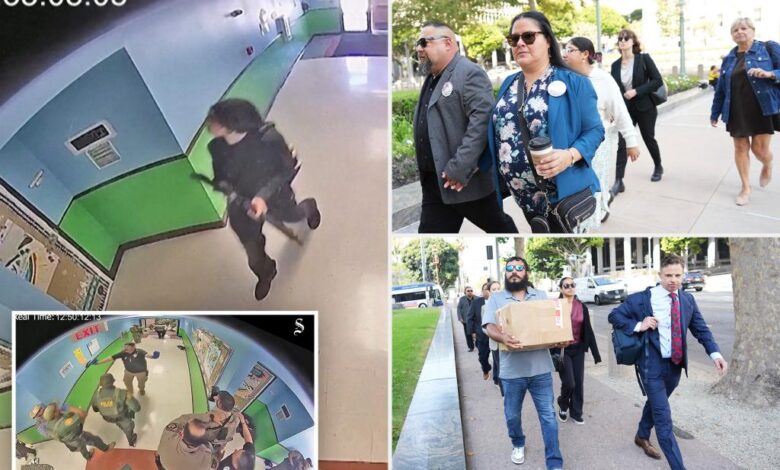
A recent court hearing in Los Angeles saw a lawyer representing the creator of the popular video game franchise Call of Duty arguing for the dismissal of a lawsuit filed by families of the victims of the tragic Robb Elementary School shooting in Uvalde, Texas. The lawsuit named Activision, the maker of Call of Duty, and Meta Platforms, the parent company of Instagram, as defendants, alleging that they should be held responsible for promoting products used by the teen gunman in the shooting.
The families of the victims, who lost their children in the devastating attack that claimed the lives of 19 students and two teachers, were present in the courtroom during the hearing. Activision’s lawyer, Bethany Kristovich, asserted that the contents of the game are protected by the First Amendment, stating that the “First Amendment bars their claims, period full stop.” She emphasized that creators of artistic works, including video games, cannot be held legally liable for the actions of their audience.
The lawsuit, filed on the second anniversary of the school shooting, raised questions about the role of video games like Call of Duty in influencing violent behavior. Kimberly Rubio, a parent who lost her 10-year-old daughter Lexi in the shooting, expressed the hope that the case would provide answers for the grieving families.
Another attorney for the families argued that Call of Duty went beyond its First Amendment protections by using the game as a platform to market weapons to minors. The plaintiffs presented evidence of contracts and correspondence between Activision and gunmakers, suggesting a deliberate effort to promote weapons in the game.
The families have also filed a lawsuit against Daniel Defense, the manufacturer of the AR-style rifle used in the shooting. The plaintiffs’ lawyer, representing the families, drew parallels to the Sandy Hook Elementary School shooting and argued that the Uvalde shooter’s obsession with Call of Duty contributed to the tragic events.
The court hearing featured a debate over the impact of video games on violent behavior, with Activision’s lawyer defending the game as a common form of entertainment. The judge refrained from indicating a decision during the hearing, emphasizing the need for the plaintiffs to demonstrate deliberate malfeasance on the part of the defendants.
The case highlights the complex legal and ethical questions surrounding the influence of video games on real-world violence. The judge’s ruling on the motion to dismiss the lawsuit will have significant implications for the ongoing debate over the responsibilities of video game creators in addressing societal issues.