Can shoes be made in the US without cheap labour?
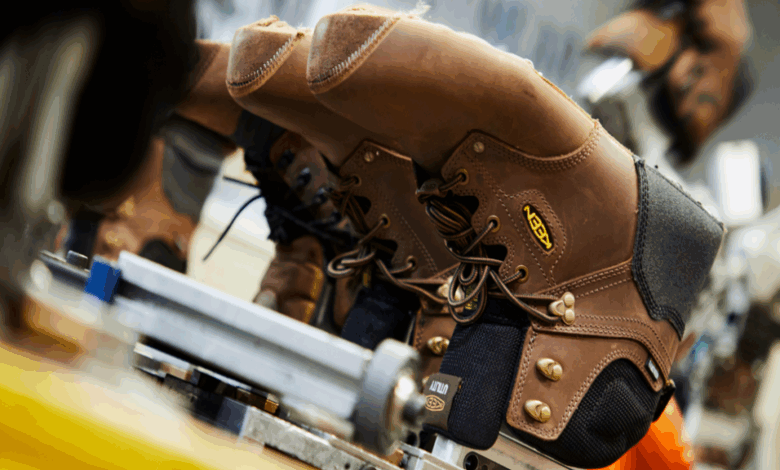
Keen’s decision to open a new factory in Kentucky is a significant move in the landscape of American manufacturing. With only 24 employees on site, the factory heavily relies on automation, showcasing a shift towards capital-heavy, high-tech production methods. Keen’s Chief Operating Officer, Hari Perumal, notes that labor rates in the US are significantly higher compared to factories in Asia, making automation a necessary solution to keep production costs competitive.
The move towards automation is not unique to Keen, as major brands like Nike, Adidas, and Under Armour have also attempted to develop new manufacturing technologies in the US. However, these efforts have faced challenges, and Keen currently only assembles 9% of its shoes in America. The complexities and expenses involved in reshoring production at scale highlight the difficulties in revitalizing American manufacturing.
The story of American manufacturing reflects a history of rise and decline, with globalization leading many industries to move overseas in search of cheaper labor. This shift has contributed to the hollowing out of America’s industrial heartland, leaving only about 1% of shoes sold in the US made domestically. The challenges of sourcing affordable parts and materials in the US remain a constant struggle for companies like Oka Brands, which manufactures shoes for brands like New Balance and Ryka.
Despite the challenges, there is a growing interest in local manufacturing due to tariffs and disruptions in the supply chain caused by the pandemic. However, industry experts like Pepper Harward are skeptical that tariffs alone will drive a wholesale return of manufacturing to the US. Harward believes that it would take at least 10 years of high tariffs to incentivize a significant shift, with only about 6% of production realistically returning to US soil.
Keen’s patient investment in reshoring production over a decade is a testament to the company’s values and commitment to American manufacturing. As a private, family-owned business, Keen’s focus on automation and innovation highlights the potential for a new era of manufacturing in the US. While the road ahead may be challenging, companies like Keen and Oka Brands are paving the way for a renaissance in American manufacturing, one step at a time. In today’s fast-paced business environment, many companies are constantly under pressure to deliver strong financial results quarter after quarter. However, for some companies like Keen, the focus is shifting towards making decisions that prioritize long-term sustainability and innovation rather than solely focusing on short-term financial gains.
Keen, a company known for its commitment to producing shoes in America, recently made a bold move by opening a new factory that embodies the future of American manufacturing. This decision was driven by a desire to leverage technology and tradition to create a more efficient and sustainable manufacturing process.
By investing in a new factory, Keen is not only signaling a commitment to producing shoes in America but also showcasing a vision for the future of manufacturing. The company understands that modern manufacturing is complex and requires a balance between innovation and tradition.
One of the key advantages of Keen’s approach is the ability to make decisions without being solely driven by quarterly financial results. This allows the company to focus on long-term goals and investments that will benefit both the business and the community.
While reversing decades of globalization is a challenging task, Keen’s new factory serves as a beacon of hope for the future of American manufacturing. By embracing technology and tradition, the company is paving the way for a new era of manufacturing that prioritizes sustainability, innovation, and community engagement.
In conclusion, Keen’s new factory represents a significant shift in the way companies approach manufacturing. By focusing on long-term goals and leveraging technology and tradition, Keen is setting a new standard for American manufacturing. This bold move not only showcases the company’s commitment to producing shoes in America but also highlights a vision for the future of manufacturing that is both innovative and sustainable.