Cancer data in danger as CDC cuts may threaten tracking efforts
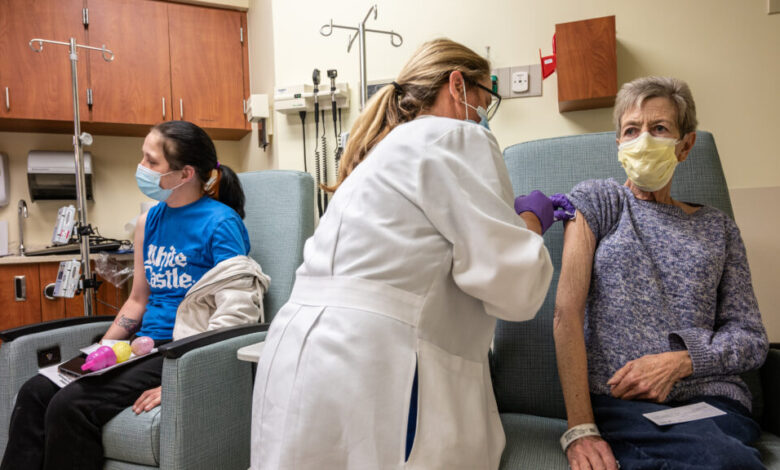
State workers who have been vital in tracking U.S. cancer trends and implementing prevention strategies are facing potential cuts to their funding from the Centers for Disease Control and Prevention. These workers, who play a crucial role in reducing new cancer cases and improving screening efforts, are anxiously awaiting news on whether their annual allocations will be renewed.
Typically, state and local programs would have already received confirmation of their funding by this time of year. However, with budget proposals from the Health and Human Services Department signaling a shift away from chronic disease programs at the CDC, there is concern that funding for cancer prevention work may be on the chopping block. The current budget, which covers programs through September, also supports national initiatives for breast and cervical cancer screening and treatment for underserved populations, as well as state-level cancer control efforts.
Advocates are sounding the alarm about the potential consequences of cutting this funding, warning of the impact on public health and the progress made in cancer prevention and control. The loss of funding could jeopardize critical programs that have been instrumental in reducing the burden of cancer in communities across the country.
The uncertainty surrounding the future of these programs has left many state workers in limbo, unsure of whether they will be able to continue their vital work in tracking and addressing cancer trends. As they await news on their funding status, these dedicated individuals are hopeful that the importance of their efforts in cancer prevention and control will be recognized and prioritized by decision-makers.
The looming threat of funding cuts to cancer prevention programs underscores the ongoing challenges in addressing chronic diseases and the need for sustained investment in public health initiatives. As the deadline for funding decisions approaches, advocates and stakeholders are urging policymakers to prioritize the fight against cancer and ensure that essential programs receive the support they need to continue their life-saving work.