Cancer immunotherapy works better in the morning, study suggests
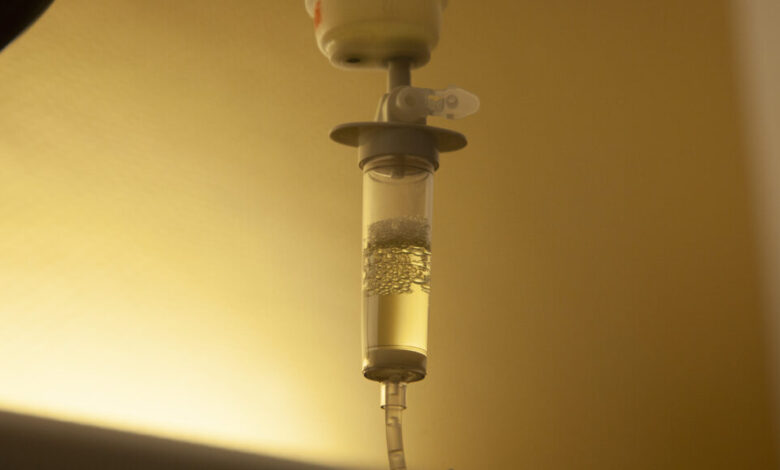
The correlation between the time of day when cancer patients receive immunotherapy infusions and their treatment outcomes has been a topic of interest among researchers in recent years. While some initial studies suggested that patients who received treatment in the morning fared better than those treated later in the day, skepticism remained regarding the significance of this observation.
Dr. Sumanta Pal, a medical oncologist at City of Hope, expressed initial doubts about the impact of infusion timing on treatment outcomes, citing potential biases in patient selection. However, a new randomized trial published in Nature Medicine has reignited interest in this phenomenon. The trial, which focused on advanced lung cancer patients receiving chemotherapy and immunotherapy infusions before or after 3 p.m., showed a 60% reduction in the risk of progression for those treated earlier in the day.
The lead author of the study, Dr. Yongchang Zhang from Central South University, emphasized the potential implications of simply adjusting infusion times to improve patient outcomes. Despite the promising results, some experts remain cautious due to the small sample size of the trial and possible biases in patient selection.
The underlying mechanisms behind the observed benefits of morning infusions on immunotherapy efficacy are not yet fully understood. Some animal studies have suggested that immune cells may follow a circadian rhythm, which could impact the effectiveness of treatment at different times of the day. While the exact reasons remain unclear, further research is warranted to explore this intriguing phenomenon.
Dr. Roy Herbst, the deputy director of the Yale Cancer Center, acknowledged the need for additional investigation into the impact of infusion timing on treatment outcomes. While he is not yet ready to change clinical practices based on the current findings, he encouraged patients to consider morning infusion slots if feasible.
In conclusion, the relationship between the time of day and immunotherapy outcomes presents an exciting avenue for future research. While the implications of this study are promising, more robust evidence is needed to support widespread changes in clinical practice. Patients are advised to discuss the timing of their treatment with their healthcare providers to determine the best approach for their individual needs.