Carlo Acutis, the saint next door: A teen computer whiz becomes a millennial saint
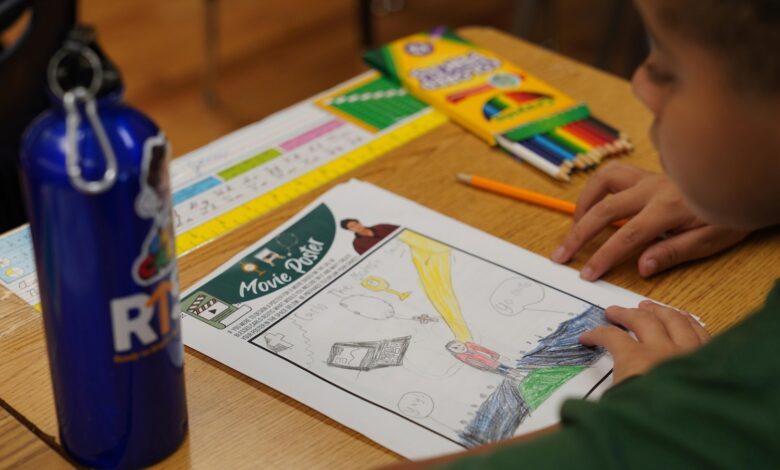
CHICAGO — Students at a Catholic school in Pope Leo XIV’s hometown have immersed themselves in the life of Carlo Acutis, a teenage Italian computer prodigy set to become the first millennial saint in history. Fifth graders read comic books about Acutis’ life, draw pictures imagining his cellphone wallpaper, and discuss the miracles attributed to his intercession.
Preparations for Acutis’ canonization ceremony on Sunday have taken over the Blessed Carlo Acutis Parish and school in Chicago. The parish, named after Acutis, aims to provide young Catholics with a relatable role model in the modern-day world. Acutis has garnered a huge following, especially among the youth, due to his use of technology to spread the faith.
Acutis, known as the “saint next door,” was deeply involved in technology, yet he prioritized human relationships over virtual ones. His influence extends beyond his technological prowess, as he was committed to serving the poor, attending Mass daily, and bringing his family back to the church.
Pope Leo XIV will preside over Acutis’ canonization ceremony, recognizing the young Italian alongside another beloved saint, Pier Giorgio Frassati. Acutis’ story resonates with many young Catholics, who find inspiration in his devotion to Christ, his use of technology for spreading the faith, and his exemplary lifestyle.
Acutis’ legacy lives on through his website documenting Eucharistic miracles, his practice of Eucharistic adoration, and his profound impact on those around him. His story continues to attract millions of followers, both in person at his tomb in Assisi and online through a live webcam feed.
The canonization of Acutis reflects the church’s efforts to engage with young people and address the challenges of the digital age. His story serves as a reminder of the power of faith, service, and technology in spreading the message of Christ to the world.
___
Associated Press religion coverage is supported by The Conversation US in collaboration with funding from Lilly Endowment Inc. The AP is responsible for this content.