CDC staff reel from shooting, harassment, vaccine panel and mass layoffs
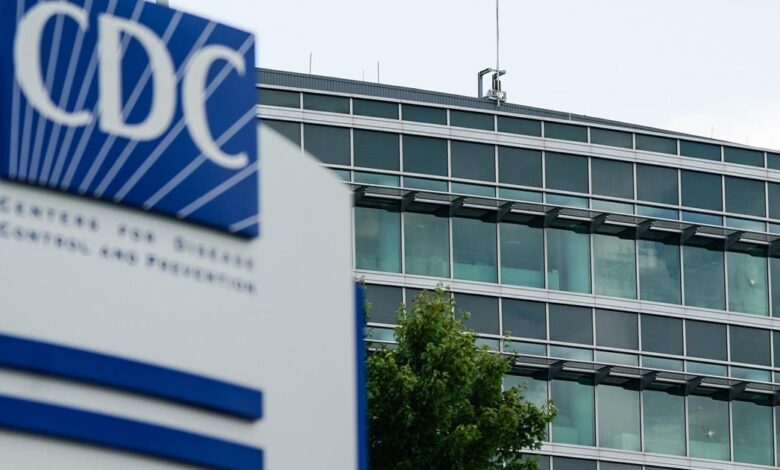
Less than two weeks after a tragic incident where a gunman opened fire at CDC headquarters in Atlanta, the agency is facing a new wave of challenges. The CDC recently announced the formation of a panel to review the safety and efficacy of COVID-19 mRNA vaccines. This decision comes amidst reports of staff members facing harassment following the attack, as well as the aftermath of over 600 job cuts that have led to the dismantling of crucial public health programs.
The shooting at the CDC headquarters on August 8, which resulted in the death of a police officer, was preceded by an attempted entry by the suspect into the CDC visitors center two days earlier. Investigators believe this was a reconnaissance mission by the assailant. The incident occurred shortly after Health and Human Services Secretary Robert F. Kennedy Jr. revoked federal funding for mRNA vaccine research, a move that was applauded by anti-vaccine groups. The suspect’s fixation on distrust of COVID vaccines has been highlighted by investigators.
In the wake of the attack, employees at the CDC have reported receiving harassing phone calls, with callers playing the sound of gunfire after asking if they are resilient. These taunts, reminiscent of the post-shooting messaging from the agency, have left staff members shaken. Amidst these challenges, the CDC announced the formation of a new panel chaired by MIT professor Retsef Levi to address concerns raised by critics of COVID mRNA vaccines. However, many employees view this as a concession to misinformation rather than a countermeasure.
The creation of this panel has further exacerbated the unease within the CDC, which was already under strain. Following the attack, staff members urged Kennedy to stop spreading inaccurate health information, uphold the CDC’s scientific integrity, and ensure the safety of the workforce. In a separate development, over 600 CDC employees were laid off this week as part of a larger wave of reductions approved by a federal judge. Entire branches within the Division of Global HIV and Tuberculosis were eliminated, including programs focused on preventing mother-to-child HIV transmission.
The layoffs also impacted injury prevention programs, with staff members studying firearm-related deaths, concussions in young athletes, and fall prevention in older adults being among those let go. The closure of longstanding programs such as the Violence Against Children and Youth Surveys (VACS) has left researchers dismayed, as the data collected was instrumental in measuring the prevalence of violence against children and informing interventions.
The abrupt closure of these programs, some with decades of history, has left employees feeling isolated and disheartened. The loss of expertise and infrastructure built over generations has dealt a severe blow to the CDC’s public health efforts. The message to employees is clear: as the agency is asked to scrutinize its own scientific foundations, the misinformation fueling hostility towards the CDC remains unchecked.
As the CDC navigates these turbulent times, it is crucial for the agency to prioritize scientific integrity, ensure the safety and well-being of its staff, and combat misinformation effectively. The challenges faced by the CDC underscore the importance of maintaining a strong and resilient public health infrastructure in the face of adversity.