CDC vaccine panel votes to stop recommending birth dose of hepatitis B vaccine
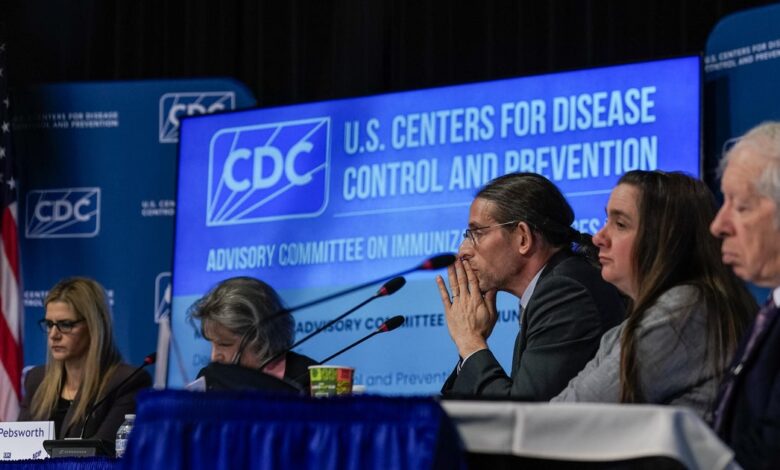
Opponents of the change argue that delaying the hepatitis B vaccine dose could put infants at risk of contracting the virus during the vulnerable early months of their lives. With the vaccine being proven safe and effective over decades of research, many health experts and organizations believe that maintaining the current recommendation is crucial in preventing serious health consequences from hepatitis B infection.
Furthermore, the decision to delay the first dose of the hepatitis B vaccine may impact insurance coverage and state vaccination policies. ACIP’s recommendations often influence state guidelines and insurance coverage for vaccines, so any changes in the recommendation could have ripple effects on these areas.
Senator Bill Cassidy, a physician with expertise in hepatitis B, has strongly opposed the change and urged the CDC to reject the advisory panel’s vote. He emphasized the importance of the hepatitis B vaccine in preventing infections and highlighted the significant decrease in cases since the birth dose recommendation was implemented.
Ultimately, the decision on when to administer the first dose of the hepatitis B vaccine will have far-reaching implications for public health, vaccination policies, and insurance coverage. It remains to be seen how this change will impact vaccination practices and the incidence of hepatitis B infections among infants and children in the United States.
Steven Black, a member of the AAP’s Committee on Infectious Diseases, said. “In the overwhelming majority of cases, the first dose is not only safe but also highly effective in preventing hepatitis B infection. Delaying vaccination until older ages risks leaving children vulnerable to a serious, potentially fatal infection that is already preventable through timely vaccination.”
Despite the overwhelming evidence in support of the hepatitis B vaccine, misinformation and fear-mongering continue to fuel skepticism and hesitancy. Critics like Kennedy and others continue to spread false claims and sow doubt in the minds of parents, leading to dangerous decisions that put children at risk.
It is crucial for the public to rely on reputable sources of information, such as the CDC, AAP, and other medical experts, when making decisions about vaccinations. The safety and efficacy of vaccines have been extensively studied and proven time and time again, and it is essential that parents prioritize their children’s health and well-being by following recommended vaccination schedules.
As the ACIP continues to navigate through contentious discussions and votes, it is important for the committee to prioritize science-based decision-making and uphold the integrity of the vaccination process. The health of our nation depends on the responsible and informed actions of healthcare professionals, policymakers, and the public in supporting and promoting vaccination as a crucial tool in protecting public health.
As the chair of the AAP’s Committee on Infectious Diseases and an assistant professor of pediatrics at the University of Colorado School of Medicine, Sean O’Leary emphasized the importance of the hepatitis B vaccine in protecting babies from chronic illness and liver cancer. In an interview with CBS News before a meeting on the topic, O’Leary highlighted the long history of the vaccine and its effectiveness in preventing serious health issues.
“We’ve been using it for a long time. It’s one of our best tools to protect babies from chronic illness and liver cancer,” O’Leary stated. He stressed the significance of not missing any cases when it comes to hepatitis B, as even one missed case can have detrimental consequences.
The hepatitis B vaccine is a crucial component of pediatric healthcare, providing infants with immunity against the virus from a young age. O’Leary’s expertise in infectious diseases underscores the importance of vaccination in preventing the spread of diseases and safeguarding public health.
In light of O’Leary’s insights, it is evident that the hepatitis B vaccine plays a vital role in protecting infants from serious health complications. As healthcare professionals and parents, it is essential to prioritize vaccination and ensure that no cases are overlooked. By staying informed and proactive about vaccination efforts, we can work towards a healthier future for our children.