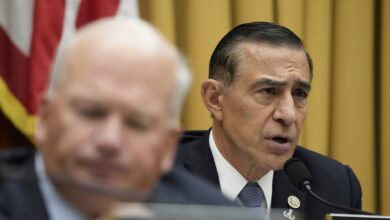
Chair of CDC’s vaccine advisory committee questions polio shot recommendation
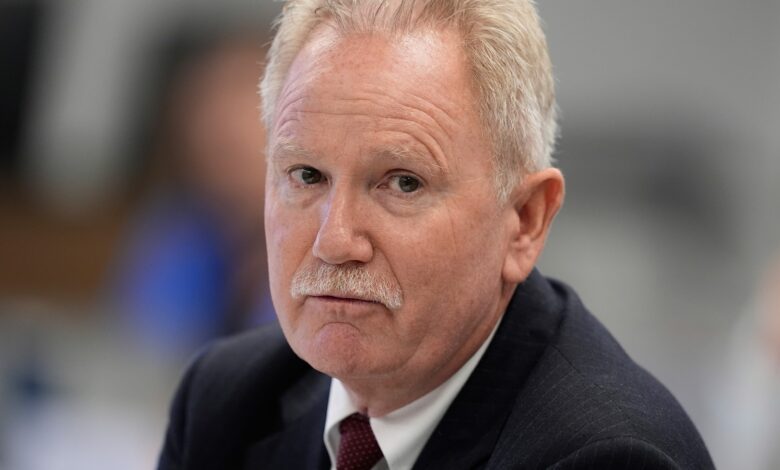
Dr. Kirk Milhoan, the head of the Centers for Disease Control and Prevention’s vaccine advisory committee, recently made headlines by questioning the necessity of broad recommendations for vaccines that protect against polio and other infectious diseases. Milhoan, a pediatric cardiologist who was appointed chair of the CDC’s Advisory Committee on Immunization Practices (ACIP) by Health Secretary Robert F. Kennedy Jr., stated that decisions about vaccination should be made by patients and doctors, rather than mandated by the government.
In a podcast interview titled “Why Should I Trust You?” hosted by ABC News medical contributor Dr. Mark Abdelmalek, Milhoan expressed concerns about vaccine mandates and emphasized the importance of individual autonomy in healthcare decision-making. He argued that the decision to vaccinate should be based on individual risk factors and medical history, rather than blanket recommendations.
Milhoan’s comments have sparked controversy within the medical community, with organizations like the American Medical Association and prominent professionals like Dr. Paul Offit criticizing his stance. Offit, director of the Vaccine Education Center at Children’s Hospital of Philadelphia, described Milhoan’s remarks as “frightening” and warned that they could jeopardize the health of children in the United States.
Specifically, Milhoan questioned the necessity of the polio vaccine in today’s society, suggesting that the risk-benefit ratio may have shifted since the vaccine was first introduced in the 1950s. He pointed to changes in sanitation and disease prevalence as factors that should be considered when evaluating the need for certain vaccines.
However, Offit refuted Milhoan’s claims, stating that the incidence of diseases like polio has not decreased due to improved sanitation, as was suggested. He emphasized the importance of maintaining high vaccination rates to protect vulnerable populations and prevent the resurgence of deadly diseases.
Despite the criticism, Milhoan’s comments have reignited a debate about vaccination policies and public health strategies. As the head of the CDC’s vaccine advisory committee, his perspectives on individual autonomy and vaccine recommendations are likely to influence future decisions about immunization practices in the United States. Improved sanitation has been a key factor in reducing the spread of infectious diseases, but in the case of polio, it had an unintended consequence. By delaying the age at which children were first exposed to polio, after maternal antibodies wore off, improved sanitation actually made children more susceptible to paralysis. This is because they were older and more likely to develop severe symptoms when infected.
Dr. Paul Offit, a prominent vaccine researcher, expressed his concern over the lack of understanding about this phenomenon among some individuals, including Dr. David Milhoan. Offit emphasized the importance of being informed about public health issues, especially for those in positions of influence.
Milhoan questioned the necessity of the measles, mumps, and rubella (MMR) vaccine, despite its proven effectiveness in preventing these diseases. He argued that measles cases were declining before the vaccine was introduced and that modern healthcare facilities could effectively manage measles infections. However, Offit refuted these claims, stating that there have been no significant advancements in treating measles in the past six decades.
Offit also pointed out that the mortality rate from measles has remained unchanged since the introduction of the vaccine, with one to three out of every 1,000 children with measles succumbing to complications. He highlighted the recent measles outbreaks in the U.S., which resulted in the first measles-related deaths in over a decade.
During a podcast discussion, Milhoan was challenged on his views regarding the risks of measles infection versus the risks of vaccination. He dismissed the mortality data and raised concerns about individual autonomy in vaccination decisions. However, the hosts pressed him on the potential harm to immunocompromised individuals when unvaccinated children spread diseases like measles.
In conclusion, the debate over vaccination policies continues to be a contentious issue, with conflicting views on individual rights versus public health concerns. It is essential for healthcare professionals and policymakers to rely on scientific evidence and expert opinions to make informed decisions that prioritize the well-being of the community. When it comes to the topic of vaccines and their safety, there are often strong opinions on both sides of the debate. Recently, there has been a discussion about whether vaccines are adequately studied for safety, with some experts expressing concerns about the lack of comprehensive research in this area.
One particular incident that sparked this debate was when a child received a measles vaccine to protect an immunocompromised child, only to experience negative consequences from the vaccine. This raised the question of whether the child who received the vaccine was responsible for harming the immunocompromised child.
Dr. Milhoan, a pediatric cardiologist and former U.S. Air Force physician, expressed skepticism about the safety of vaccines, arguing that research has primarily focused on efficacy rather than safety. He criticized the surveillance and monitoring systems used to evaluate vaccine safety, describing them as “very poor.”
During a podcast, Dr. Milhoan made controversial comments about vaccine safety, questioning the scientific basis of vaccine reviews conducted by the Advisory Committee on Immunization Practices (ACIP). He emphasized the importance of personal medical decisions and patient autonomy in consultation with their doctors.
In response to criticism from news organizations, the Independent Medical Alliance defended Dr. Milhoan, highlighting his medical expertise and commitment to protecting individual rights in medical decisions. The Alliance clarified that Dr. Milhoan is not anti-vaccine and acknowledges the success of vaccines like polio and smallpox.
The debate surrounding vaccine safety is complex and multifaceted, with experts and advocates on both sides presenting compelling arguments. It is essential to consider all perspectives and conduct thorough research to make informed decisions about vaccination. Ultimately, the goal is to ensure the health and well-being of individuals while respecting their autonomy and rights in medical decision-making.