Cheetos and Doritos without their bright orange color are set to hit stores next month
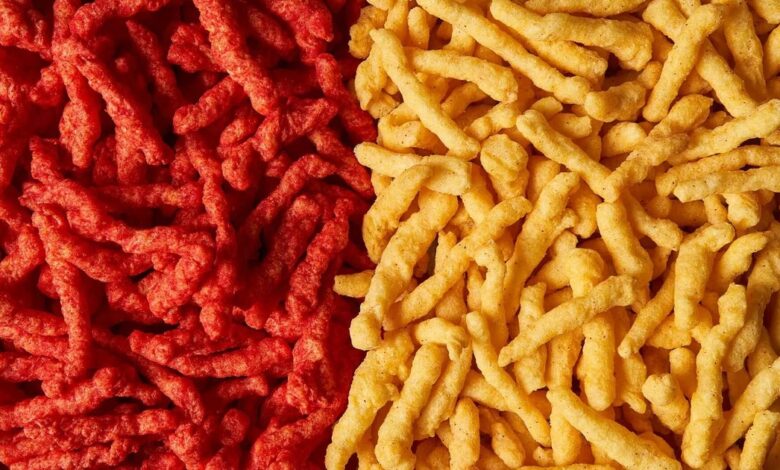
Snack lovers, get ready for a change in your favorite Cheetos and Doritos! Starting in December, stores will introduce Simply NKD versions of these popular snacks, free from artificial flavors or dyes, as announced by PepsiCo. This means no more bright orange colors in these snacks.
This move comes in response to a call by Health and Human Services Secretary Robert F. Kennedy Jr. to eliminate synthetic food dyes from the nation’s food supply. While the FDA urged the industry to stop using dyes in April, it did not enforce a ban. The original versions of Cheetos and Doritos will still be available alongside the new Simply NKD options.
“NKD is an additive option, not a replacement, introduced to meet consumer demand,” stated Rachel Ferdinando, CEO of PepsiCo Foods U.S.

The company assures that the flavor of these new options will remain the same. Hernán Tantardini, CMO of PepsiCo Foods U.S., stated, “We are reinventing our iconic — and most famous — brands to deliver options with the bold flavors fans know and love, now reimagined without any colors or artificial flavors.”
The NKD collection will debut with four flavors: Doritos Simply NKD Nacho Cheese, Doritos Simply NKD Cool Ranch, Cheetos Simply NKD Puffs, and Cheetos Simply NKD Flamin’ Hot, hitting stores on Dec. 1.
The original nacho cheese-flavored Doritos contain artificial colors like Yellow 6, Yellow 5, and Red 40, while the Cool Ranch option includes Blue 1, Red 40, and Yellow 5. Original Cheetos contain Yellow 6, and Flamin’ Hot Cheetos include Yellow 6, Yellow 5, and Red 40.
Several companies, including Kraft Heinz, have committed to removing artificial dyes from their U.S. products. Some states like West Virginia have even banned them. The concern over these dyes stems from worries that they contribute to unhealthy food consumption and may lead to behavioral changes in children, such as hyperactivity and inattention.
While the food dye industry denies any safety concerns with artificial dyes, some experts suggest that the health risks from added salt, sugar, and fat in processed foods outweigh those from dyes. Dr. Céline Gounder, a CBS News medical contributor, commented on this issue in July.