Chew on this: U.S. food prices are still up 19% since 2022
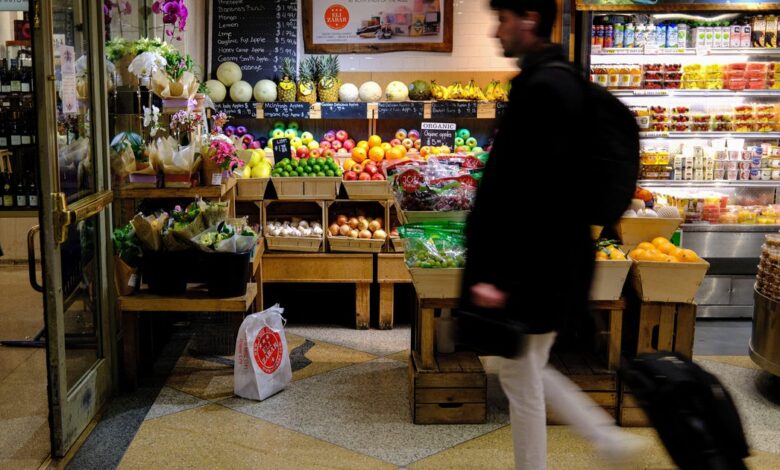
As the overall inflation rate has cooled down since the surge in prices during the pandemic, high food costs continue to be a concern for consumers. In December, food prices rose at an annual rate of 3.1%, outpacing the overall inflation rate of 2.7%, according to the latest Consumer Price Index data. This significant increase in food prices is causing a strain on consumers’ budgets, with a 0.7% monthly jump in food prices reported last month – the largest increase since September 2022.
Rob Holston, EY Global and Americas consumer products leader, highlighted the growing price pressure across key consumer product categories, stating that consumers are feeling the impact of rising costs on essential items. The Consumer Price Index (CPI) tracks the rate at which prices rise over time, but consumers are more likely to be influenced by the prices they see on store shelves, especially when it comes to food prices. David Ortega, a food economist at Michigan State University, emphasized that people interact with food prices more frequently than other expenses, making the increase in food costs more noticeable and concerning.
The spike in food prices is driven by specific categories like beef and coffee, both of which have reached record highs. Overall food prices have surged nearly 19% since January 2022, with staple items such as ground coffee, boneless sirloin steak, romaine lettuce, orange juice concentrate, and bananas seeing significant price hikes.
Various factors contribute to the rise in food costs, including constrained beef supplies, tariffs, and adverse weather conditions affecting coffee production. In an attempt to address the issue, President Trump reduced tariffs on certain foods in November, but experts suggest that any relief from these measures may not be immediate.
One positive development for consumers is the decrease in egg prices, which had previously soared due to the avian flu outbreak. The cost of a carton of eggs dropped by nearly 21% in December, providing some relief to shoppers.
Higher Restaurant Prices
In addition to grocery expenses, dining out has also become more expensive for Americans. The Labor Department’s measure for “food away from home” rose at an annual rate of 4.1% in December, compared to 2.7% for overall inflation. Joe Hannon, general manager of inventory and purchasing at Restaurant365, attributes the increase in restaurant prices to rising labor and utilities costs, which are squeezing profit margins for operators.
Ortega pointed out that the surge in consumer demand for dining out post-pandemic, combined with increased costs, is driving up menu prices. As a result, restaurant prices continue to rise faster than overall inflation, posing a financial challenge for both consumers and businesses alike.