Chicago tried a Trump-style surge to stop crime a decade ago, and it worked
Chicago’s Crime-Fighting Collaboration with Federal Agents: A Success Story
In a bold move nearly a decade ago, Chicago experimented with a crime-fighting program that involved deploying federal agents and a flood of local cops to tackle the city’s rampant violence. The initiative proved to be highly effective, saving lives and reducing crime rates significantly in just one weekend. However, the program was short-lived as Democratic city leaders decided to pull the plug, fearing the potential backlash and negative career implications.
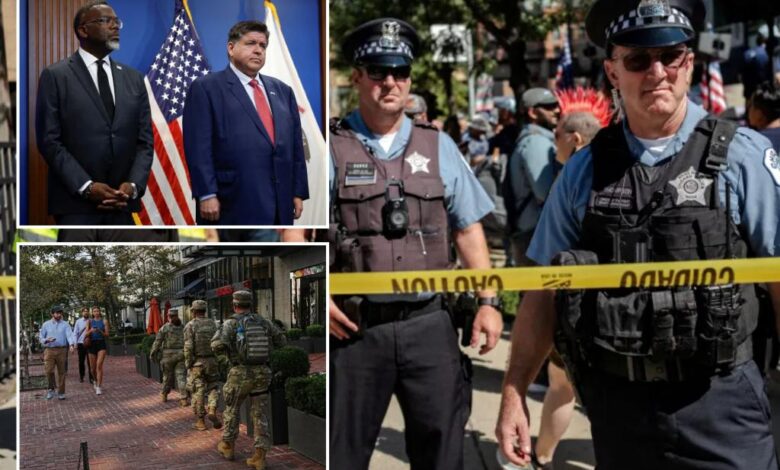
During the experimental crime crackdown in November 2016, Chicago flooded its three most dangerous districts with additional Chicago police officers and agents from the Bureau of Alcohol, Tobacco, Firearms, and the US Marshals. The results were astonishing, with only one shooting reported over the weekend in areas that were typically plagued by gun violence. Overall, citywide crime dropped by 41%, showcasing the positive impact of increased law enforcement presence in high-crime areas.
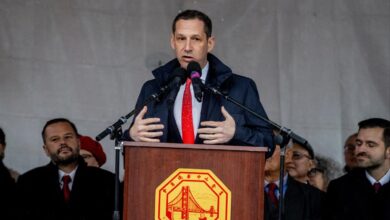
Former 1st Assistant State’s Attorney for Cook County, Robert Milan, who played a key role in planning the successful 2016 program, expressed frustration at the reluctance of current city leaders to seek federal assistance in combating crime. Milan believes that Mayor Brandon Johnson and Illinois Governor JB Pritzker are missing out on an “unbelievable opportunity” to address Chicago’s longstanding issue of violent crime.
Despite recent resistance from state and city leaders, including Mayor Johnson and Governor Pritzker, to President Trump’s proposal of deploying the National Guard to Chicago, many believe that additional support is crucial in curbing the city’s crime rates. With Chicago consistently leading the nation in homicides and shootings, the need for effective crime-fighting strategies is more pressing than ever.
While some may argue that Chicago does not require federal intervention, citing a decrease in shootings year-over-year, skeptics like Milan remain unconvinced. He emphasizes the importance of putting politics aside and prioritizing public safety, even if it means seeking help from external sources.
The success of previous police saturation operations in Chicago, where crime rates dropped significantly but could not be sustained due to limited resources, underscores the potential benefits of collaboration between local and federal law enforcement agencies. Despite initial dismissals of the idea of involving the National Guard in crime-fighting efforts, recent developments suggest that federal support may be necessary to address Chicago’s ongoing violence.
As President Trump considers sending the National Guard to Chicago, Baltimore, and possibly New Orleans, following a similar deployment in Washington, DC, where crime rates reportedly dropped by 45%, the debate over federal intervention in Chicago continues. While some city leaders remain adamant in their opposition to the idea, voices within the community, such as the minority-led Republican group Chicago Flips Red, advocate for the National Guard’s assistance in restoring safety to their neighborhoods.
Ultimately, the decision to involve federal troops in Chicago’s crime-fighting efforts remains a contentious issue, with contrasting opinions on the necessity and effectiveness of such measures. As the city grapples with persistent violence and high crime rates, finding a balance between local law enforcement efforts and federal support may be the key to achieving lasting peace and security for Chicago residents.