Childhood Vaccination Rates Fell Further In 2024-2025 School Year
Childhood vaccination rates in the United States have taken a concerning downward trend in recent years, with the 2024-2025 school year seeing coverage drop to the lower 92% range. According to new data from the U.S. Centers for Disease Control and Prevention, measles, mumps, rubella vaccination coverage among kindergarteners has declined from 95.2% in the 2019-2020 school year to 92.7% in the 2023-2024 school year, and further down to 92.5% in the most recent school year.
The decline in vaccination rates is not limited to measles, mumps, rubella, as coverage numbers for other vaccines such as the DTaP vaccine, varicella vaccine, and polio vaccine have also decreased over the years. This has corresponded to a rise in the number of parents seeking exemptions from vaccinations for their children, with around 138,000 children receiving exemptions for at least one vaccine in the last school year.
The rise in exemptions is a concerning trend, with 36 states and the District of Columbia reporting increases in exemptions from the previous year. Idaho had the highest rate of exemptions at 15.4%, highlighting the widespread nature of this issue across the country.
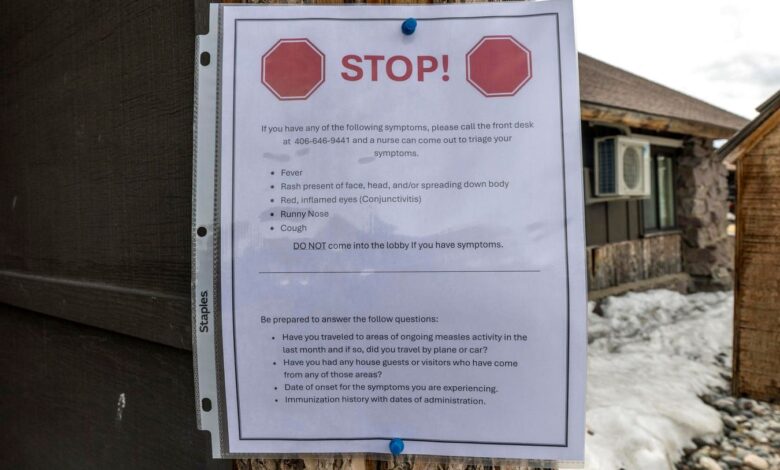
Meanwhile, the U.S. has already experienced a significant increase in measles cases and outbreaks in 2025. As of July 29, there have been a total of 1,333 confirmed measles cases across 40 jurisdictions, marking a significant rise in cases compared to previous years. Measles outbreaks have become more common in recent years, with the virus finding new footholds in communities where vaccination rates have declined.
Measles is a highly contagious virus, with one case easily leading to 12 to 18 more cases among unvaccinated individuals. This year has already seen 29 reported outbreaks, up from 16 in all of the previous year, underscoring the urgent need for action to address the declining vaccination rates and rising disease burden.
The lack of more urgent action at the federal level to address these concerning trends is alarming. Prompt efforts are needed to boost vaccination rates and prevent the spread of measles and other infectious diseases. Vaccination is not just a personal choice, as the decision to vaccinate affects the health and safety of the entire community.
It is crucial to prioritize public health efforts and scientific research to combat the resurgence of preventable diseases like measles. Failure to do so could result in a return to a time when infectious diseases were a significant threat to public health. It is time to take action and ensure that childhood vaccinations are prioritized to protect the health of our communities.