Childhood vaccines facing scrutiny by Kennedy’s ACIP panel
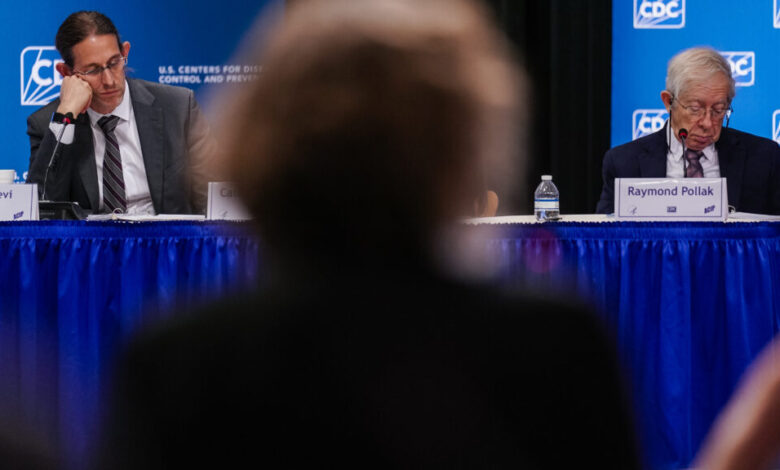
The recent decisions made by the Advisory Committee on Immunization Practices (ACIP) regarding childhood vaccinations have sparked controversy and concern among medical experts and public health groups. The committee’s recommendation to delay the administration of the hepatitis B vaccine at birth, despite its proven safety and effectiveness, has raised alarms about the potential impact on children’s health.
The ACIP’s shift in vaccine policy has been met with criticism from various organizations representing doctors and public health interests. These groups argue that the committee’s decision-making process appears to be influenced by unsubstantiated claims and fears surrounding vaccines, rather than scientific evidence. By deviating from established vaccination guidelines, the ACIP may be putting American children at risk of preventable diseases.
The debate over childhood vaccinations has intensified as the ACIP begins to review other vaccines on the schedule. The committee has formed a working group to evaluate the alleged risks associated with administering multiple vaccines simultaneously. While experts have consistently affirmed the safety of the current vaccination schedule, some ACIP members are pushing for a reassessment of the potential risks and benefits of early childhood immunizations.
During the committee’s discussions, concerns were raised about the unknown risks of giving multiple vaccines to young children and the need to reexamine the necessity of certain vaccines for newborns. However, some members cautioned against overstating the potential dangers of vaccines and emphasized the importance of evidence-based decision-making in public health policy.
The ACIP’s deliberations on childhood vaccinations come at a time when the anti-vaccine movement is gaining momentum, fueled by misinformation and skepticism about the safety of vaccines. Critics of mainstream vaccine guidance, including vaccine critic Aaron Siri, have raised doubts about the current vaccine schedule and called for a reevaluation of existing policies.
Despite the contentious debates surrounding childhood vaccinations, it is essential to prioritize the health and well-being of children by following established vaccination guidelines based on scientific research and expert consensus. As the ACIP continues to review and revise its recommendations, it is crucial to ensure that public health policies are grounded in evidence and aimed at protecting the community from preventable diseases. Aluminum has long been used as an adjuvant in vaccines to enhance their effectiveness. This ingredient has been extensively studied and proven to be safe for use in vaccines. However, recent discussions by the Advisory Committee on Immunization Practices (ACIP) and the Centers for Disease Control and Prevention (CDC) have raised concerns about the use of aluminum in vaccines.
Infectious disease experts have expressed alarm over the committee’s focus on the childhood vaccine schedule, particularly after the committee made recommendations regarding hepatitis B vaccines without sufficient evidence. Some experts, like Peter Hotez from Baylor College of Medicine, have questioned the legitimacy of the committee’s process and recommendations.
The recent decision by the committee to delay the first dose of the hepatitis B vaccine for some children has raised further doubts among healthcare providers. While this recommendation may not change current vaccination practices, it could lead to a decline in public trust in vaccines.
The use of aluminum adjuvants in vaccines has come under scrutiny by the committee, with members suggesting a possible link between aluminum and adverse events. Despite existing research supporting the safety of aluminum in vaccines, the committee is considering further investigation into this ingredient.
Government pressure to remove aluminum from vaccines could have significant implications for the vaccine industry and childhood vaccination schedules. Vaccine experts and manufacturers are concerned about the potential costs and time required to reformulate vaccines without aluminum.
It is important to note that the aluminum adjuvants used in vaccines have been extensively studied and are considered safe. The amount of aluminum in vaccines is minimal compared to what people ingest through food and water, and the body eliminates it efficiently.
While some healthcare providers believe that the recent recommendations by the ACIP may not significantly impact their practice, the overall messaging surrounding vaccines could further erode public trust. It is crucial for healthcare professionals to address concerns and provide accurate information to combat vaccine hesitancy.
In conclusion, the ongoing discussions about aluminum in vaccines highlight the complexities of vaccine safety and public health policy. It is essential for stakeholders to engage in evidence-based decision-making to ensure the continued success of vaccination programs and disease prevention efforts. The Impact of Climate Change on Global Agriculture
Climate change is having a profound impact on global agriculture, with extreme weather events, changing temperatures, and shifting rainfall patterns disrupting food production around the world. From droughts and floods to heatwaves and hurricanes, farmers are facing unprecedented challenges in growing crops and raising livestock.
One of the most significant impacts of climate change on agriculture is the increasing frequency and intensity of extreme weather events. Droughts, in particular, are becoming more common in many regions, leading to crop failures and water shortages. In 2018, for example, the United States experienced one of the worst droughts in decades, which devastated crops such as corn and soybeans.
Floods are another major threat to agricultural production, with heavy rainfall causing soil erosion, waterlogging, and nutrient depletion. In 2019, record-breaking floods in the Midwest destroyed millions of acres of farmland and caused billions of dollars in damages.
Rising temperatures are also affecting agriculture, as heatwaves can reduce crop yields and increase the risk of pests and diseases. In recent years, many parts of the world have experienced unusually hot temperatures, leading to lower yields of staple crops such as wheat, rice, and maize.
Changing rainfall patterns are another consequence of climate change, with some regions experiencing more frequent and intense rainfall, while others are facing prolonged droughts. This variability in precipitation can make it difficult for farmers to plan their planting and harvesting schedules, leading to crop losses and food insecurity.
In addition to these direct impacts, climate change is also affecting agriculture through its impact on soil health, water availability, and biodiversity. For example, rising temperatures can accelerate soil degradation and reduce the fertility of farmland, while changes in rainfall patterns can lead to water scarcity and desertification.
To adapt to these challenges, farmers are increasingly turning to sustainable agricultural practices such as conservation agriculture, agroforestry, and organic farming. These methods can help to improve soil health, conserve water, and enhance biodiversity, making farms more resilient to the impacts of climate change.
Governments and international organizations are also taking action to support farmers in adapting to climate change. Initiatives such as the Green Climate Fund and the United Nations Framework Convention on Climate Change are providing funding and technical assistance to help farmers implement sustainable practices and build resilience to extreme weather events.
In conclusion, climate change is posing a significant threat to global agriculture, with extreme weather events, changing temperatures, and shifting rainfall patterns disrupting food production around the world. To address these challenges, farmers, governments, and international organizations must work together to promote sustainable agricultural practices and build resilience to the impacts of climate change. By taking action now, we can help to ensure food security for future generations and protect the health of our planet.