China imposes retaliatory port fees on American-owned ships docking in country
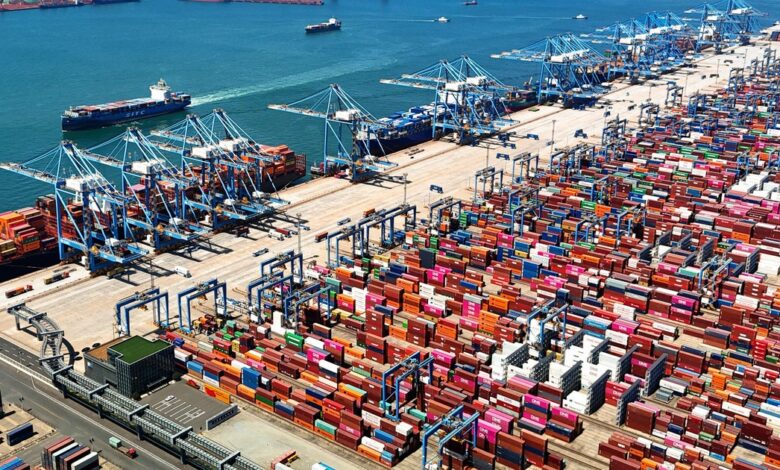
China Implements Port Fees on U.S.-Owned Vessels in Retaliation
China has recently imposed port fees on U.S.-owned vessels as a response to the planned port fees on Chinese ships by the American government. This move comes ahead of trade talks between U.S. President Donald Trump and Chinese leader Xi Jinping.
According to China’s Ministry of Transport, American-owned or operated vessels, as well as ships built in the U.S. or flying the American flag, will be charged a fee of 400 yuan ($56) per net ton per voyage when docking in China. The fees will be applicable for a maximum of five voyages annually and will increase annually until reaching 1,120 yuan ($157) per net ton in 2028.
The Ministry of Transport stated that these fees are in retaliation to what they view as “wrongful” U.S. practices, specifically referring to the planned U.S. port fees on Chinese vessels. They criticized the U.S. fees as discriminatory and damaging to China’s shipping industry and international trade order.
Trade Measures Before Trump-Xi Meeting
China has been implementing various trade restrictions leading up to the anticipated meeting between Trump and Xi. Recent measures include new restrictions on the export of rare earths, related technologies, lithium battery equipment, and production facilities.
The newly announced port fees by China mirror the U.S. fees on Chinese ships docking in American ports. Under the U.S. plan, Chinese-owned or -operated ships will face a fee of $50 per net ton for each voyage to the U.S., increasing annually until 2028. This reciprocal action from China targets vessels with significant U.S. ties and could have a substantial impact on American shipping companies.
Despite the limited impact on trade and freight rates due to some companies restructuring their fleets to avoid extra charges, experts warn that the U.S. port fees could still cost up to $3.2 billion for the top 10 global carriers next year.
Overall, the escalating trade tensions between the U.S. and China are reflected in these retaliatory port fees, indicating the continued strain on economic relations between the two countries.