China talks up oil sufficiency as Trump seeks Beijing’s help on Hormuz
China Stresses Energy Sufficiency Amid Iran War, Trump Pressure
Amidst the ongoing Iran war and the resulting restrictions on oil flows through the critical Strait of Hormuz, China has emphasized that it has ample energy resources to weather the storm. As U.S. President Donald Trump pressures Beijing to help secure the vital waterway, Chinese officials have reassured the public that the country’s energy supply is robust.
Fu Linghui, spokesperson at the National Bureau of Statistics, highlighted the strength of China’s energy resources, stating that the country has a solid foundation for handling external market volatility. He also noted that China’s domestic crude oil production saw a 1.9% increase year on year, reaching 35.73 million metric tons in the January to February period.
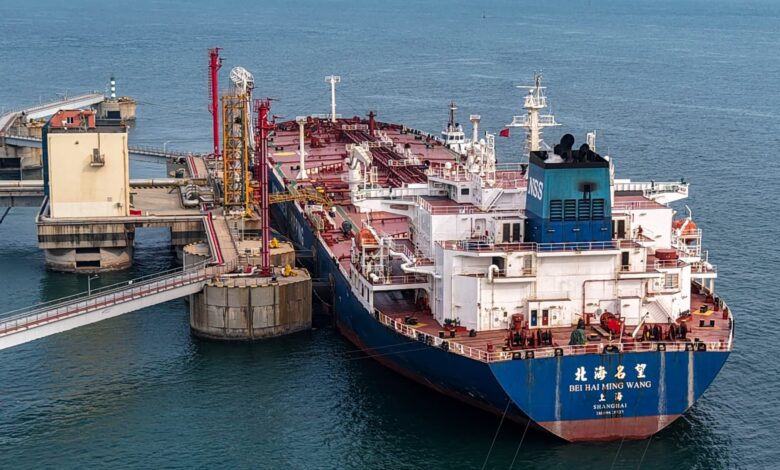
President Trump recently called on China to assist in restoring oil flows through the Strait of Hormuz before his upcoming visit to Beijing later this month. He expressed concerns about the impact of stalled oil shipments on global markets, as crude oil prices surged past $100 a barrel to near 4-year highs. While most countries have been affected by the disruption in oil flows, Iran has managed to send over 11 million barrels of oil to China through the strait during this period.
Trump’s assertion that China should play a role in ensuring oil flows through the strait is based on the fact that China receives 90% of its oil through this waterway. However, analysts have pointed out that China actually relies on the strait for only about 40% to 50% of its seaborne oil imports. Additionally, oil shipments through the Hormuz account for just 6.6% of China’s total energy consumption.
It’s worth noting that Beijing maintains substantial onshore crude oil stockpiles, estimated at 1.2 billion barrels as of January. This reserve is one of the largest in the world and is sufficient to meet China’s demand for three to four months, providing a buffer against external supply disruptions.
As the situation in the Strait of Hormuz continues to unfold, China’s stance on energy sufficiency and resilience remains firm. The country’s strategic reserves and diversified energy sources position it well to navigate through challenging times and maintain stability in its energy supply chain.