China’s electric car industry invests more overseas than at home
The Chinese electric car industry is stepping up its game by increasing investments in overseas factories to compete with global automakers like Tesla. According to a recent report from U.S.-based consulting firm Rhodium Group, Chinese electric car companies invested more outside the country than at home for the first time in history last year.
The majority of the overseas investment, about 74%, was in battery factories, signaling the importance of securing a stable supply chain for electric vehicles. However, investments in assembly plants abroad are also on the rise as Chinese automakers face stiff competition at home and higher tariffs on exports.
The move to invest overseas not only helps Chinese companies expand their market reach but also allows them to gain the support of foreign governments for their business operations. With regulatory challenges mounting in key markets like the EU, establishing local manufacturing operations becomes crucial for Chinese companies to navigate entry barriers.
In 2024, domestic investment in manufacturing in China plummeted to $15 billion from $41 billion the previous year, while overseas investment surpassed domestic levels for the first time. The automotive sector was the second most active for Chinese outbound investment in the second quarter of this year, following the materials and metals sector.
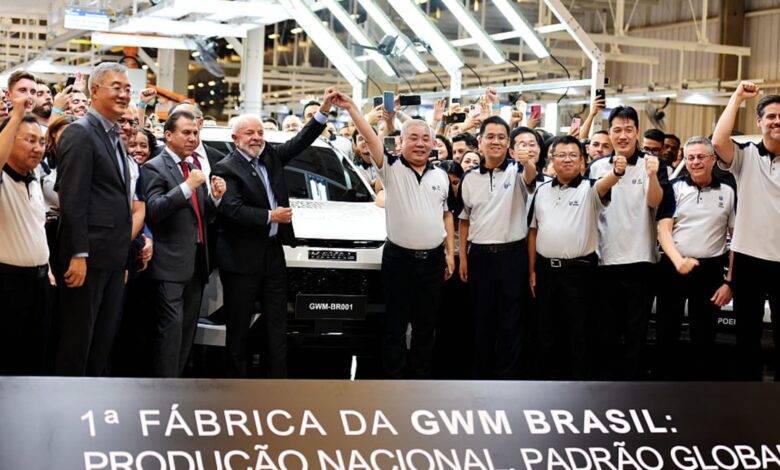
Several Chinese electric car companies have already started operations at overseas factories. Great Wall Motor recently opened its first factory in Brazil and is considering expanding its presence in the region. BYD also began production at its Brazil factory despite facing fines earlier in the year.
In addition, Chinese battery supplier Envision started production at its first factory in France this summer. While investments abroad are on the rise, only 25% of all announced overseas manufacturing plans have been completed, compared to a 45% completion rate for projects in China. The report also highlights concerns about technology leakage, job losses, and industrial hollowing-out, which may lead to tighter controls on outbound investment in strategic sectors.
As the Chinese electric car industry continues to expand globally, managing these challenges will be crucial for sustained growth and success.