China’s investment crash raises credit risks for homebuilders, banks, government: Fitch
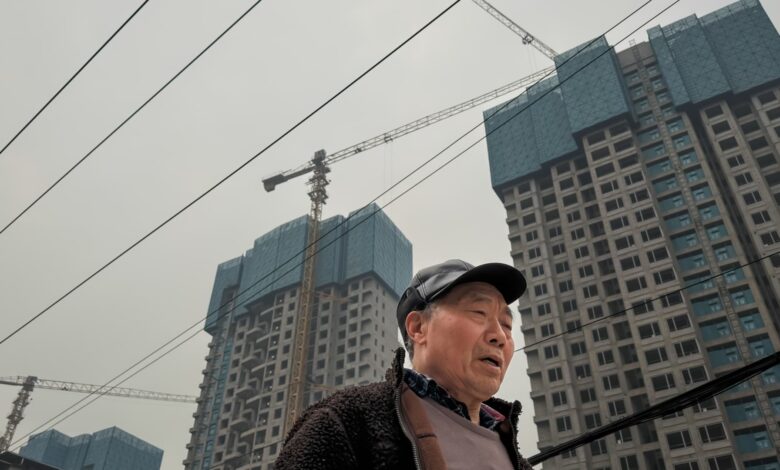
China is facing a sharp investment downturn that is significantly increasing credit risks across various sectors of the economy. Fitch Ratings has issued a warning about the impact on homebuilders, real estate, banks, and the construction industry as the slowing economy hampers growth and the ability to repay debts.
In 2025, fixed-asset investment in China saw a decline of 3.8% to 48.52 trillion yuan ($6.8 trillion), marking the first annual decrease in decades. This decline is primarily attributed to a deepening property slump and stricter constraints on local government borrowing, which have historically been key drivers of China’s growth.
The drastic investment slowdown in the second half of 2025 has raised significant cross-sector credit risks for rated issuers in China, including the government itself. Fitch downgraded China’s sovereign rating to “A” from “A+” in April due to concerns over weakening finances and rising public debt. The agency warned that the growth outlook for several sectors is deteriorating, citing subdued domestic demand, deflationary pressures, and the ongoing property downturn.
The property investment sector has been particularly hard hit, with investment declining for the fourth consecutive year in 2025. Residential sales have plummeted to their lowest level since 2015, and prices for existing apartments continue to drop. This downturn has pushed several developers into financial distress, with companies like China Vanke Co and Dalian Wanda Commercial Management Group facing downgrades and default issues.
Looking ahead, Fitch expects China’s GDP to grow at a modest 4.1%, driven by easing net trade and sluggish consumer spending. However, a sustained double-digit decline in fixed-asset investment could hinder efforts to sustain growth rates of 4%-5% in 2026.
Local governments in China are also facing fiscal strains, with financing vehicles struggling to service their debts independently. A potential fiscal stimulus plan financed by local public-sector debt could further strain the sector if debt levels rise faster than the capacity to support it. The loss of land sales revenue and tighter restrictions on local government financing have limited investment in infrastructure, impacting overall fixed-asset investment.
On the banking front, concerns about asset quality have emerged as a deeper investment slump could lead to rising unemployment and weaker asset-backed securities. While the jobless rate in China increased slightly in 2025, the central bank is expected to maintain a cautious approach to monetary policy to support stable asset quality in the banking sector.
Overall, the challenges facing China’s economy underscore the need for strategic policy decisions to navigate the current downturn and set the stage for sustainable growth in the future.