China’s new plan to get consumers spending again
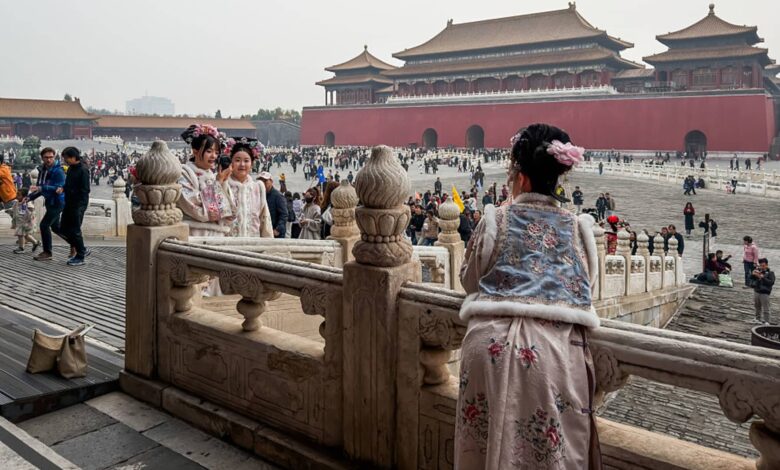
China’s push to boost consumption through experiences and services
In an effort to stimulate consumption amid a sluggish economy, Beijing has unveiled a new plan to promote services consumption in China. With households showing reluctance to spend on big-ticket items, policymakers are turning to experiences and everyday services as a way to revitalize consumer spending.
The plan, announced by China’s cabinet, aims to enhance services consumption by offering a variety of experiences such as cruise and yacht tourism, elder care services, and sports events. The goal is to increase the share of consumption in the country’s economy over the next five years.
As China grapples with a prolonged property slump, a weak job market, and income uncertainty, consumers have been cautious about making major purchases. To address this, Beijing is focusing on boosting spending on services rather than goods. This shift in consumer preferences is evident in a quarterly survey conducted by the People’s Bank of China, which showed a growing interest in social and entertainment activities over big-ticket items.
The renewed emphasis on services consumption comes at a time when retail sales in China grew by 3.7% in 2025, lagging behind industrial output growth and overall economic expansion. With consumer inflation remaining flat and producer prices declining, there is a pressing need to stimulate domestic demand.
The plan outlined by China’s State Council includes measures to support tourism-oriented upgrades to train stations and scenic rail routes, as well as enhancements to yacht infrastructure. It also calls for expanding visa-free entry for more countries and adding tax-refund points at border crossings to boost inbound tourism.
Authorities are also looking to nurture newer forms of service consumption that focus on emotional experiences. This includes promoting live performances and sports events, encouraging the introduction of top international competitions, and supporting high-quality outdoor sports destinations.
In addition to these initiatives, banks have been urged to provide more credit to service-consumption firms and allow eligible companies in sectors such as culture, tourism, education, and household services to raise funds through bond issuance. By expanding the service sector, China hopes to create more job opportunities and stabilize the youth unemployment rate, which has been a growing concern in recent years.
While the plan to boost services consumption is a step in the right direction, economists caution that deeper reforms are needed to raise household income and strengthen social welfare. Restoring consumer confidence, addressing high saving rates, and investing more in social services are crucial steps that will ultimately drive private consumption in China.
In conclusion, China’s focus on promoting services consumption as a way to stimulate economic growth is a strategic move that reflects changing consumer preferences and the need to boost domestic demand. By investing in experiences and everyday services, Beijing aims to revitalize consumer spending and drive sustainable economic growth in the years to come.