China’s Xpeng to launch robotaxis, humanoid robots with own AI chips
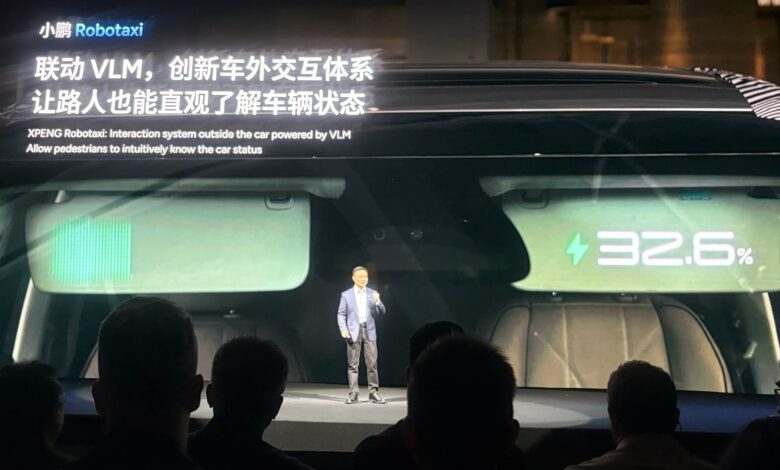
Xpeng Unveils Robotaxi and Humanoid Robot in Guangzhou
Chinese electric vehicle manufacturer Xpeng made headlines on November 5, 2025, as it showcased its latest technological advancements in Guangzhou. The company, which had previously downplayed the idea of robotaxis as a viable business in the near future, surprised many by revealing plans to launch robotaxis next year. This move is part of Xpeng’s broader strategy to position itself as more than just an electric car company, following in the footsteps of its key competitor, Tesla.
During its “AI Day” event, Xpeng announced the upcoming launch of three robotaxi models that will be powered by the company’s self-developed “Turing” AI chips. These chips boast an impressive computing power of 3,000 TOPS, making them one of the most advanced in the industry. The vehicles will utilize Xpeng’s “vision-language-action (VLA)” model, which incorporates visual cues to enhance applications such as driverless cars and robotics.
In a strategic partnership, Xpeng has joined forces with Alibaba to integrate robotaxis into the e-commerce giant’s digital mapping subsidiary, AutoNavi, and Amaps app. This collaboration aims to provide a seamless ride-hailing experience for users.
Xpeng’s robotaxi prototypes feature an external display that provides real-time information such as speed, enhancing the overall user experience. The company plans to commence testing of these vehicles in Guangzhou and other Chinese cities in the coming year.
Co-president Brian Gu expressed optimism about the future of robotaxis, stating that they will eventually become a global phenomenon. He attributed this shift in perspective to the rapid advancements in AI technology and computing power, which have brought the concept of robotaxis closer to reality.
In addition to its foray into robotaxis, Xpeng also unveiled its second-generation humanoid robot, named Iron. This innovative robot is slated for mass production next year and will initially serve as tour guides, sales assistants, and office building guides within Xpeng facilities. CEO He Xiaopeng emphasized that while household adoption of humanoid robots may still be a distant reality due to cost constraints, there is immense potential for their commercial applications.
Xpeng’s humanoid robot is equipped with three Turing AI chips and a solid-state battery, offering customization options for features like body shape and hair style. The company envisions a future where these robots play a pivotal role in various industries, surpassing the number of cars sold by Xpeng.
Despite the similarities in technological pursuits between Xpeng and Tesla, Gu acknowledged that the latter has been more vocal about its commercialization plans. Nevertheless, Xpeng remains committed to innovation and is actively exploring new frontiers, including flying cars and humanoid robots.
As Xpeng continues to push the boundaries of technological innovation, the company’s foray into robotaxis and humanoid robots signals a bold new chapter in its evolution as a leading player in the electric vehicle and AI industries. Stay tuned for more updates on Xpeng’s groundbreaking developments in the coming months.