Chinese companies like Alibaba see more consumption, helped by AI ads
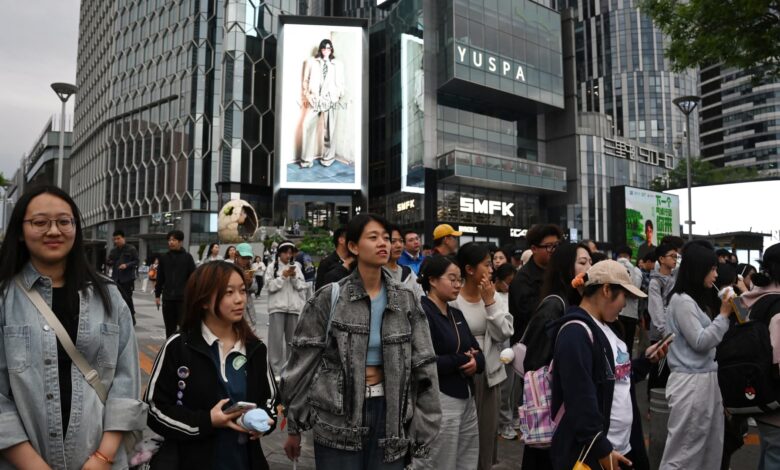
China’s economy is facing challenges from the ongoing trade tensions with the United States, but the latest earnings reports from Alibaba, Tencent, and JD.com show that the Chinese consumer market is still resilient. The use of artificial intelligence in advertising is playing a significant role in driving growth for these companies.
Alibaba’s Taobao and Tmall group reported a 9% increase in sales, exceeding analyst expectations. The company’s marketing revenue saw a 12% year-on-year growth, attributed to the use of AI tools like Quanzhantui to enhance marketing efficiency for merchants.
Similarly, JD.com reported a surge in sales of electronics and home appliances, with a 17% increase in that category. The company’s marketing revenues also saw a 15.7% growth, partly due to the implementation of AI tools to improve ad conversion rates.
Tencent’s “fintech and business services” segment reported a 5% year-on-year revenue increase, with a significant boost from its marketing services revenue, which surged by 20%. The company’s use of AI upgrades in its advertising platform has helped drive advertiser demand for short videos and other content on its WeChat social media app.
AI is proving to be a game-changer in the advertising industry, with Tencent reporting a substantial increase in click-through rates for online ads. The company’s monthly average users for WeChat surpassed 1.4 billion in the first quarter, indicating the widespread adoption of AI-driven advertising strategies.
Despite the positive earnings reports, there is still uncertainty in the outlook for the Chinese economy. Alibaba’s lower-than-expected profit led to a drop in its shares, reflecting investor concerns about the overall economic environment. The upcoming retail sales data for April will provide further insights into consumer spending trends.
As trade tensions between the U.S. and China ease, there is hope that consumption will rise, driving further growth for Chinese companies. The use of AI in advertising will continue to play a crucial role in targeting consumers and driving revenue growth in the competitive Chinese market.
Overall, the latest earnings reports from Alibaba, Tencent, and JD.com highlight the resilience of the Chinese consumer market and the increasing importance of artificial intelligence in driving advertising success.
According to a recent survey, only 23% of consumers are expecting to spend more in the next quarter. This marks an 8 percentage point decrease from the previous quarter, indicating a lackluster outlook for domestic demand. In April, the consumer price index experienced a 0.1% year-on-year decline for the third consecutive month. However, the core CPI, which excludes food and energy prices, saw a 0.5% increase, consistent with the previous month.
With the real estate market still struggling to recover and export opportunities limited due to geopolitical factors, Chinese policymakers are expected to shift their focus towards boosting consumption to achieve the year’s growth target of around 5%. Stimulus policies are anticipated to include increased spending on food and beverage, caregiving, travel, sports, and durable goods that are not currently part of the trade-in subsidies program.
June 18 is set to be a significant promotional season for shopping in China, with the upcoming 618 sales event. Jacob Cooke, co-founder and CEO of WPIC Marketing + Technologies, a company that assists foreign brands in selling online in China and other parts of Asia, predicts that this year’s 618 sales growth will see a modest increase in the very low double-digits.
As the landscape of consumer spending evolves and economic challenges persist, it is essential for businesses to adapt their strategies to cater to changing consumer behaviors and market dynamics. By staying informed about market trends and leveraging opportunities for growth, businesses can position themselves for success in an ever-changing economic environment.