Circadian disruption by night light linked to multiple cardiovascular outcomes
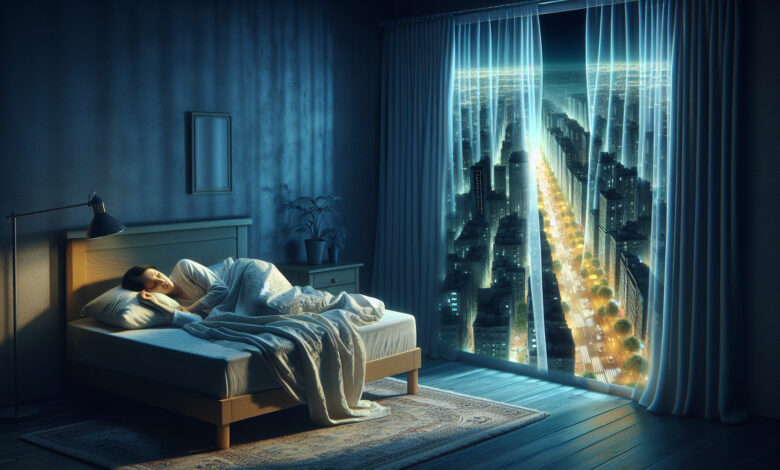
Flinders Health and Medical Research Institute researchers, in collaboration with colleagues from the UK and U.S., have discovered a significant link between exposure to bright night-time light and an increased risk of five major cardiovascular diseases. This groundbreaking study sheds light on the detrimental effects of artificial light on our cardiovascular health.
Our bodies operate on circadian rhythms, which regulate various physiological processes such as blood pressure, heart rate, hormone secretion, and glucose metabolism. Disruption of these rhythms, whether in animal or human studies, has been associated with conditions like myocardial fibrosis, hypertension, inflammation, and autonomic imbalance. However, previous research in this area has been limited to satellite-derived estimates or small cohorts using light sensors in bedrooms or on wrists, failing to capture individual exposure patterns on a population scale.
The study, titled “Personal night light exposure predicts incidence of cardiovascular diseases in >88,000 individuals,” published on medRxiv, involved a prospective cohort analysis of 88,905 participants from the UK Biobank. These individuals, with an average age of 62.4 years and a majority of females, wore wrist-based light sensors for a week between 2013 and 2016 across England, Scotland, and Wales.
By analyzing data from National Health Service records up to November 2022, the researchers were able to establish a clear correlation between night and day light exposure levels and the development of coronary artery disease, myocardial infarction, heart failure, atrial fibrillation, and stroke. The results showed that individuals exposed to brighter night-time light had a significantly higher risk of all five cardiovascular outcomes compared to those with lower exposure levels.
Even after adjusting for various factors such as age, sex, lifestyle habits, and genetic predisposition, the association between bright night-time light exposure and cardiovascular diseases remained strong. Interestingly, women exhibited a more pronounced risk for heart failure and coronary artery disease, while younger participants showed an increased risk for heart failure and atrial fibrillation.
The authors of the study suggest that the disruption of circadian rhythms by artificial light may lead to metabolic and vascular disturbances that elevate the risk of cardiovascular diseases. This includes issues such as impaired glucose tolerance, increased susceptibility to diabetes, hypercoagulability, elevated blood pressure, and arrhythmic vulnerability.
In light of these findings, the researchers recommend avoiding exposure to bright light during habitual sleep times as a practical addition to existing cardiovascular prevention strategies. They also advocate for circadian-informed lighting guidelines in various settings, including homes, hospitals, and urban planning, to promote better cardiovascular health.
In conclusion, this study underscores the importance of understanding the impact of artificial light on our cardiovascular well-being and highlights the need for interventions to mitigate these risks. By being mindful of our exposure to light, especially at night, we can take proactive steps to safeguard our heart health and overall wellness.