Claire’s files for bankruptcy as it drowns in ‘cocktail of problems’
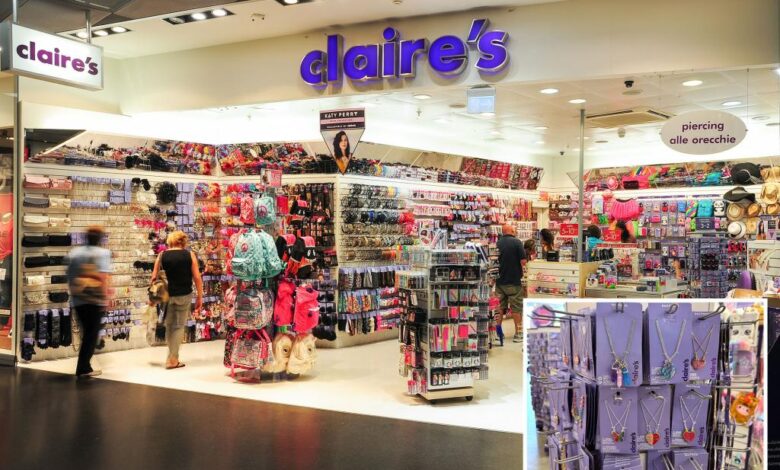
Claire’s Files for Bankruptcy for the Second Time in Seven Years
On Wednesday, Claire’s, a popular mall staple for tweens, filed for bankruptcy due to a combination of factors including mounting debt, intense competition, and increased costs from President Trump’s tariffs.
The retailer, known for selling jewelry and ear piercing services, cited assets and liabilities estimated to be between $1 billion and $10 billion as it sought Chapter 11 protection in a Delaware court. This marks the second time Claire’s has filed for bankruptcy in seven years.
CEO Chris Cramer stated, “This decision is difficult, but a necessary one. Increased competition, consumer spending trends, and the ongoing shift away from brick-and-mortar retail, along with our current debt obligations and macroeconomic factors, necessitate this course of action for Claire’s and its stakeholders.”
All 1,325 of Claire’s locations, including its Icing spinoff stores, are expected to close by October 31 as part of an agreement with a liquidation firm outlined in the filing.
According to Neil Saunders, managing director of GlobalData, Claire’s has been facing a “cocktail of problems” that have made it impossible to remain operational. These internal and external challenges have led to the current situation.
Founded in 1961 by Chicago entrepreneur Rowland Schaefer, Claire’s first filed for bankruptcy in 2018 amid a decline in foot traffic at shopping malls. It was able to emerge from bankruptcy later that year with the help of creditors who eliminated a significant portion of its debt and provided access to new capital.
Despite a failed attempt to go public in 2013, Claire’s filed to do so again in late 2021 but withdrew its IPO plans in June 2023. The retailer has struggled to keep up with online competition as teens increasingly turn to e-commerce platforms for shopping.
With a $496 million loan due in December 2026 and halted rent payments on unprofitable stores, Claire’s faces financial challenges exacerbated by tariffs on imported goods from China and other Asian countries.
Neil Saunders suggests that Claire’s will need to use bankruptcy to restructure, reduce debt, and close underperforming stores in order to survive in the current retail environment.
Similar to Forever 21 and Rue 21, which also cater to teen audiences, Claire’s struggles reflect the changing landscape of retail and the challenges faced by traditional brick-and-mortar stores in the digital age.