Closed Tariff Loophole Could Lead to Shipping Delays, Fees
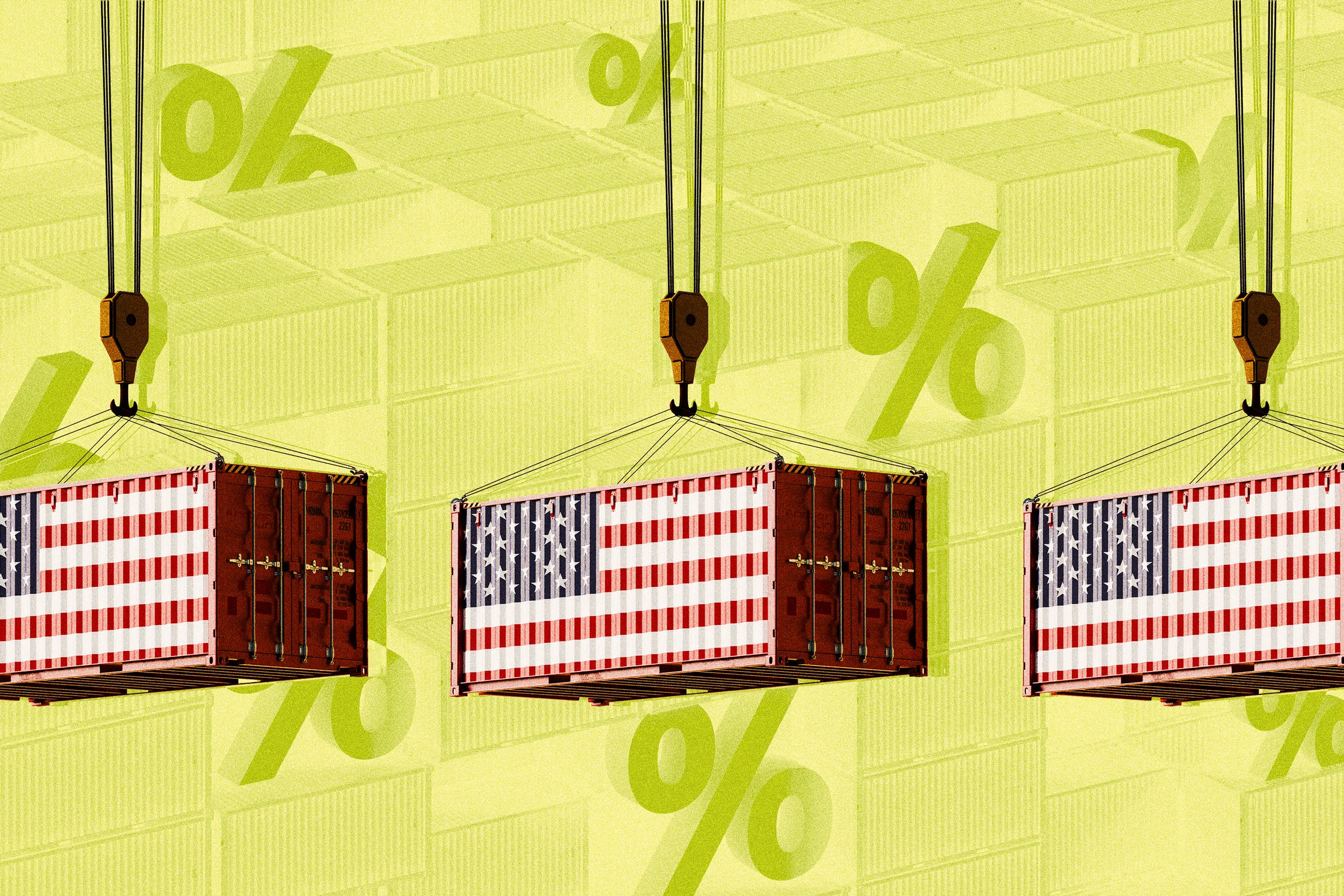
After years of benefiting from a de minimis exemption that allowed for duty-free imports of low-value shipments, consumers in the U.S. are now facing a new reality. President Donald Trump recently signed an executive order suspending this exemption, which had previously applied to packages valued at less than $800. This change means that items in this price range will now be subject to duties, taxes, and fees, potentially ranging from 10% to 50% depending on the country of origin.
The impact of this decision is already being felt by companies like Temu and Shein, which have capitalized on this exemption to sell inexpensive apparel, electronics, and home goods directly to American consumers. These companies have seen a significant drop in sales since the exemption was lifted, with prices going up and sales decreasing.
The end of the de minimis exemption is not just affecting companies but also impacting individual consumers and sellers on platforms like Etsy and eBay. Foreign sellers and buyers will now face additional tariff costs, making it more expensive to send and receive packages from overseas. However, there is still an exemption in place for gifts valued at less than $100, allowing individuals to send small items without incurring fees.
Countries like Canada, Germany, Mexico, and Japan have already announced pauses in shipments to the U.S. while new operational processes are defined. Shipping companies like DHL are also reporting disruptions as they await clarity on how customs duties will be collected in the future.
The end of the de minimis exemption is a significant shift in trade policy that is expected to have far-reaching implications for consumers, businesses, and the global economy. As the situation unfolds, it is essential for individuals and companies to stay informed and adapt to the new regulations to avoid any unforeseen costs or delays in shipping.