College Costs: After Years of Flat Prices, Tuition Is Up
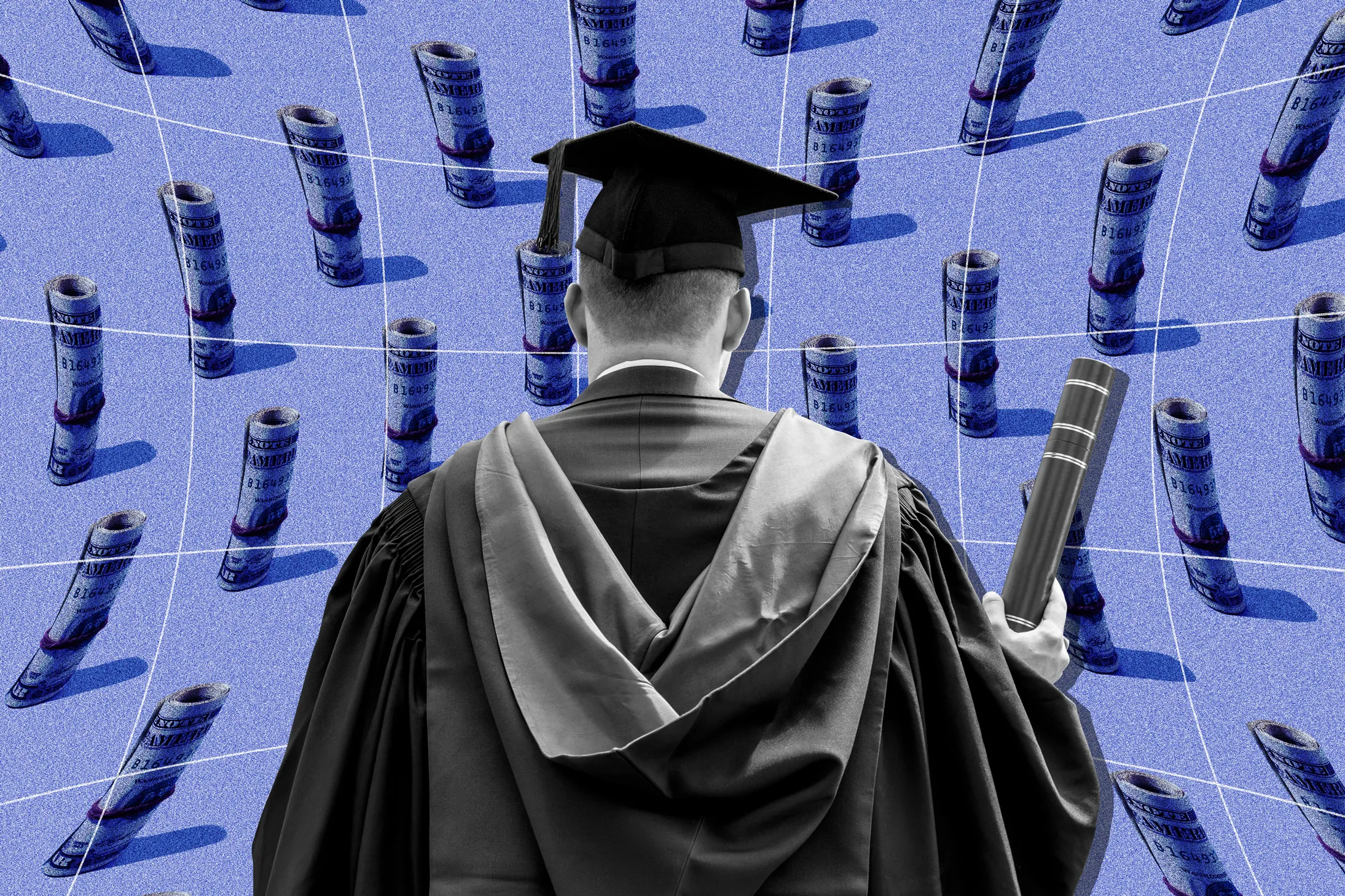
There are a variety of reasons why college costs are rising once again. One major factor is the financial pressure that colleges and universities are facing. Many institutions are dealing with significant policy, funding, and enrollment challenges, which are leading them to increase prices in order to stay financially afloat.
For example, at the University of Minnesota, in-state tuition is set to increase by 6.5% at the Twin Cities and Rochester campuses. Additionally, student services, academic programs, and other services are being cut by 7% in an effort to balance the budget. Similarly, in Oregon, the state’s seven public university systems are planning to raise tuition by 3% to 5% to cover rising costs.
Another contributing factor to the rise in college costs is the increasing expenses associated with housing and food. These costs are causing strain for many students, adding to the overall cost of attendance. The average cost of attendance at a four-year public college for the current academic year is $30,990, with housing and food accounting for about 45% of the total cost. Tuition represents 39% of the cost, with the remaining expenses including books and transportation.
It’s important to note that the sticker prices for tuition and fees don’t necessarily reflect what most students actually pay. Many students receive grants and financial aid that reduce the actual cost of attending college. The College Board has calculated the average net cost of attendance, which takes into account tuition, fees, room and board, as well as the aid students receive. When adjusted for inflation, the net cost of attendance is rising for all institution types — public two- and four-year colleges and private four-year colleges.
Overall, the increasing costs of college attendance are a result of a combination of factors, including financial pressures on institutions, rising expenses for housing and food, and the need to balance budgets in the face of policy, funding, and enrollment challenges. As a result, students and families are once again seeing tuition and fees on the rise after a period of relatively flat or declining costs.
Undergraduate tuition at the University of Maryland is set to increase by 3% to 4% depending on the campus, according to a recent announcement. This hike in tuition fees comes at a time when colleges across the country are facing financial challenges due to declining state and federal funding.
A report by the Hechinger Report highlights the fact that colleges are receiving less financial support from both state and federal governments. State-level funding, in particular, is a crucial source of revenue for public colleges, but many state budgets are experiencing deficits, partly due to cuts in Medicaid funding. Additionally, the Trump administration has frozen or canceled grants to over 600 colleges, further exacerbating the financial strain on institutions. The recent report from the State Higher Education Executive Officers Association also reveals that pandemic-era stimulus grants, which provided much-needed support during the pandemic and declining enrollment, have largely dried up.
Judith Scott-Clayton, a professor of economics and education at Columbia University, emphasized the interconnected nature of budget cuts in higher education. Cuts in one area can have a ripple effect, impacting the overall financial health of institutions.
For families, these financial challenges translate to higher costs for tuition, room and board, and potentially fewer financial aid opportunities. As a result, families may face higher out-of-pocket expenses when sending their children to college compared to previous years.
The increase in tuition at the University of Maryland reflects a broader trend in higher education, where institutions are grappling with financial pressures and seeking ways to balance their budgets. As students and families navigate these changes, it is important to stay informed about the evolving landscape of college affordability and financial aid options.