Colorado hit with country’s largest escrow payment increases last year
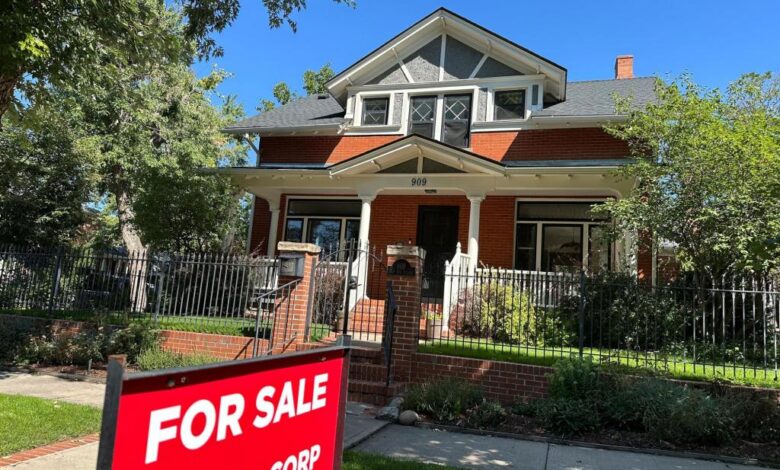
Colorado Leads Nation in Escrow Payment Increases for Homeowners
In a recent study from Cotality, Colorado has seen the largest increase in escrow payments for homeowners, surpassing all other states in the country. Escrow payments, which cover insurance and property taxes, have risen by a staggering 31% in Colorado, making it a significant burden for existing homeowners.
Nationally, homeowners are facing a 17% increase in average escrow payments, with states like Louisiana, Wyoming, Montana, and Alabama also experiencing high increases.
The surge in escrow payments can be attributed to the rapid increase in residential property values in Colorado between 2020 and 2022, leading to substantial property tax hikes. Additionally, the state has witnessed a rise in natural disaster claims, further adding to the financial strain on homeowners.
According to Selma Hepp, chief economist at Cotality, the higher escrow payments are leaving existing homeowners vulnerable to economic disruptions, with potential impacts on borrowing capacity for first-time buyers.
Despite the challenges posed by escalating escrow costs, experts like Lawrence Yun, chief economist at the National Association of Realtors, remain optimistic about the housing market. Yun predicts that mortgage rates will average around 6.4% for the remainder of the year before decreasing to 6.1% next year.
While some markets may see declines in home prices, Yun forecasts a 3% increase in home prices this year and a 4% increase next year on average. However, markets like Colorado, which have experienced significant job growth and in-migration, could witness price declines.
The increase in unsold homes in Colorado is indicative of emerging weakness in the market, with inventory levels rising by 27% compared to the previous year. Despite the higher inventory, sales have decreased, putting pressure on sellers to reduce prices to attract buyers.
Factors like affordability constraints and rising housing costs are keeping potential buyers on the sidelines, prolonging the renting period for many individuals. The median age of renters in the U.S. has increased to 42, with renters opting for single-family home rentals as an alternative to purchasing a home.
With affordability remaining a key concern, renters are exploring rental options that offer more space at a lower cost compared to homeownership. The construction of multi-family rentals has also contributed to downward pressure on rents, with many listings in Denver offering incentives to attract tenants.
Despite the challenges in the housing market, experts believe that there is room for improvement, with potential signals of lower mortgage rates on the horizon. While the road to homeownership may seem daunting for many, the market continues to evolve, offering opportunities for both buyers and sellers.
Stay updated on real estate and business news by subscribing to our weekly newsletter, On the Block.