Companies Cut Prices For Blockbuster Weight-Loss Drugs
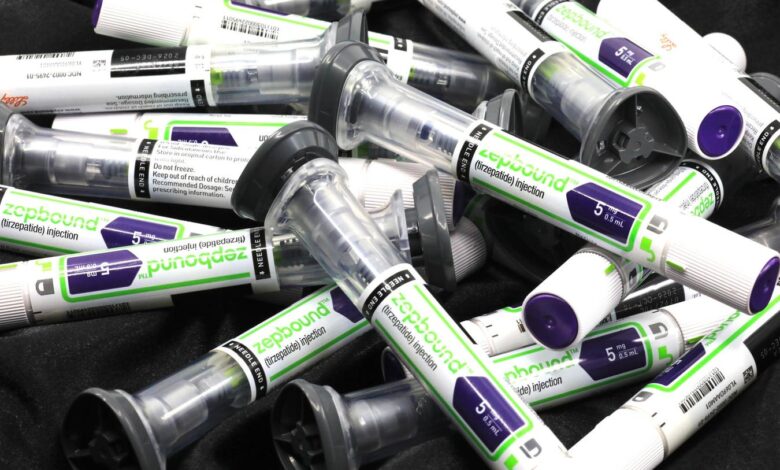
The recent price cuts for blockbuster weight-loss drugs have sparked hope for increased affordability and accessibility for many individuals struggling with obesity. Eli Lilly, a leading pharmaceutical company, announced a reduction in prices for its weight-loss drug Zepbound, making it more affordable for cash-paying customers. This move comes after a deal with the Trump Administration to lower drug prices and increased discounts on popular GLP-1 drugs by Novo Nordisk.
The demand for GLP-1 injections has been steadily increasing, with about 40% of adults in the United States classified as obese. However, the high cost of these medications has been a barrier for many individuals who could benefit from them. The recent price cuts and expanded Medicare coverage for these drugs aim to address this issue and make them more accessible to those in need.
In addition to existing GLP-1 drugs, pharmaceutical companies are also developing new obesity pills that could further increase access and lower prices. Novo’s obesity pill is expected to be approved soon, while Lilly plans to submit its own pill for regulatory approval by the end of the year. The Trump Administration has indicated that these new pills could be priced at $150 per month under the TrumpRx program.
Meanwhile, the Forbes 30 Under 30 Healthcare list highlights young entrepreneurs like Eunice Wu and Can Uncu, who are using AI technology to streamline administrative processes in the healthcare industry. Their startup, Asepha, aims to reduce the burden of paperwork for pharmacists, allowing them to focus more on patient care. These innovators are part of a growing trend of technology-driven solutions in healthcare that are improving patient outcomes and reducing costs.
On the regulatory front, the FDA and CDC are set to discuss new recommendations for childhood vaccination schedules, with a focus on infant hepatitis B vaccines. However, recent developments, including the appointment of a pediatric cardiologist as the chair of the CDC committee on immunization, have raised concerns about potential restrictions on vaccines. These moves come at a time when vaccine-preventable diseases like measles are on the rise, underscoring the importance of maintaining access to life-saving vaccines.
In a significant deal of the week, Regeneron announced a partnership with Tessera Pharmaceuticals for a gene-editing therapy for alpha-1 antitrypsin deficiency, a rare liver and lung disease. The collaboration aims to develop a one-time treatment for the condition, with Tessera leading the first in-human clinical trial. The deal includes an upfront payment of $150 million to Tessera, with potential milestone payments of up to $125 million.
Overall, these developments in the healthcare industry reflect a mix of challenges and opportunities, from increasing access to essential medications to leveraging technology for better patient care. As the industry continues to evolve, innovation and collaboration will be key in addressing the complex healthcare needs of today’s society.