Congress secures long-term funding for the World Trade Center Health Program
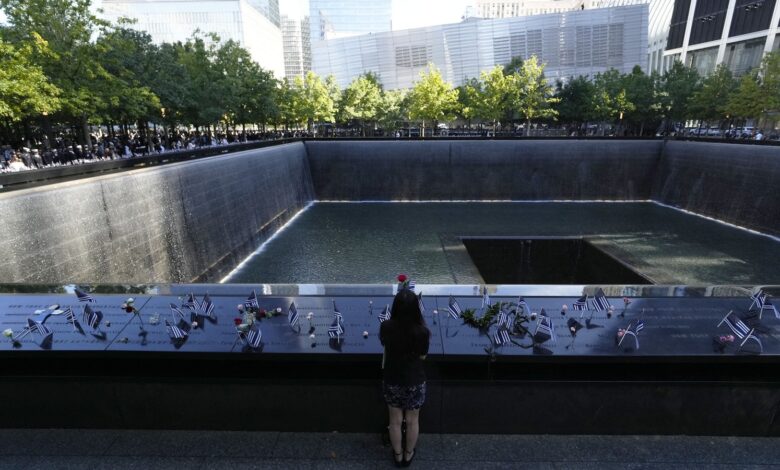
After Congress approved legislation for a funding fix that fully supports the World Trade Center Health Program, a projected multibillion-dollar shortfall that threatened the program’s future has been prevented. This critical step was highlighted by Sen. Kirsten Gillibrand, D-N.Y., at a press conference on Thursday morning. Gillibrand emphasized the importance of honoring the promise to never forget 9/11 survivors and the brave first responders who risked their lives for our country.
The World Trade Center Health Program, established in 2011 through an act of Congress, has provided care and medical monitoring to over 150,000 individuals. The recent legislation ensures that the program will be fully funded through 2040, updating how it is financed to meet rising medical costs and growing enrollment without the risk of sudden funding gaps.
Supporters of the program stress the significance of this change in providing long-term stability for those affected by toxic exposure after the Sept. 11 attacks. The program offers medical monitoring and treatment to first responders, cleanup workers, and community members impacted by 9/11-related exposure. Advocates emphasize that stable funding is crucial not only for current patients but also for individuals who may develop related illnesses in the future.
However, while the funding fix is a significant accomplishment, it does not resolve all of the program’s challenges. Some issues, such as delays in certifying new conditions, staffing shortages at clinical sites, and administrative backlogs affecting patient care, still need to be addressed. Ensuring that these issues are resolved will enable the program to fully deliver on its mission.
The James Zadroga 9/11 Health and Compensation Act, named after a New York City Police Department officer whose death was linked to exposures from the World Trade Center disaster, remains a vital piece of legislation in providing support to those affected by 9/11-related health issues. Advocates, including Rep. Andrew Garbarino and Sen. Gillibrand, worked tirelessly to secure full funding for the program, a significant achievement for all involved.
In conclusion, the recent legislation to fully fund the World Trade Center Health Program is a crucial step in supporting the health and well-being of 9/11 first responders and survivors. By addressing funding gaps and ensuring long-term stability, the program can continue to provide essential care to those impacted by the tragic events of September 11, 2001.