Construction of 21,500-sq.-ft. Cherry Hills mansion detailed in book
There is something to be said for the impact of wealthy individuals and their expansive homes. Not all of them, mind you, but rather that select group within the top 1 percent who choose to invest in quality architecture that not only fulfills their personal needs but also enriches the community with a lasting legacy.
Think of iconic structures like Louis XIV’s Palace of Versailles, Thomas Jefferson’s Monticello, or even Elvis Presley’s Graceland (a divisive choice, but undeniably a marvel). These landmarks were made possible by individuals who saw their homes as more than just a place to live.
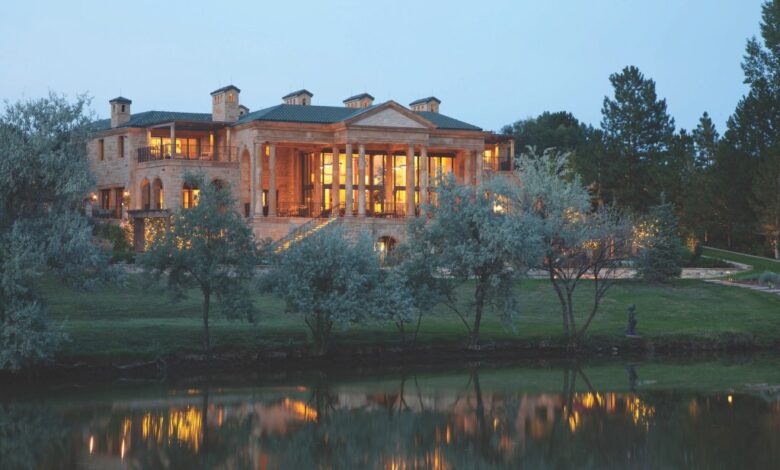
This spirit of thoughtful construction is evident in the Pondbank house in Cherry Hills Village. A new book, also titled “Pondbank,” authored by owners Robert and Judi Newman along with architect Donald H. Ruggles and former Denver Post reporter Mike McPhee, delves into the journey of creating this architectural masterpiece.
The Newmans, known for their philanthropic endeavors in Colorado, completed their 21,500-square-foot residence in 2012, with the book serving as a detailed chronicle of its construction.
Judi Newman emphasizes the importance of sharing the lessons learned from building Pondbank. The book aims to highlight the value of supporting craftsmanship, embracing well-considered design, actively participating in the building process, and cultivating patience to achieve something truly exceptional.
Pondbank stands out for its bespoke features, with every element meticulously crafted to meet the Newmans’ specifications. The book, enriched with vibrant photos capturing the construction process and the final result, provides readers with an immersive tour of the residence.
Architect Donald H. Ruggles, renowned for his classical design expertise, masterfully blends traditional principles with modern functionality in Pondbank. From the landscaped driveway to the courtyard adorned with art and the grand interiors, every detail reflects a harmonious fusion of past and present.
The book showcases various facets of Pondbank, including its expansive great room, classical loggia, and intricate architectural details that define its character. It celebrates the collaborative efforts of designers, artisans, and craftsmen who contributed to the realization of this architectural gem.
Ultimately, “Pondbank” pays homage to classical architecture’s enduring appeal while embracing contemporary innovations. It serves as a testament to the potential of blending tradition with modernity, offering inspiration for those passionate about design, technology, and community engagement.