Conversational Ai In Healthcare: A Comprehensive Guide
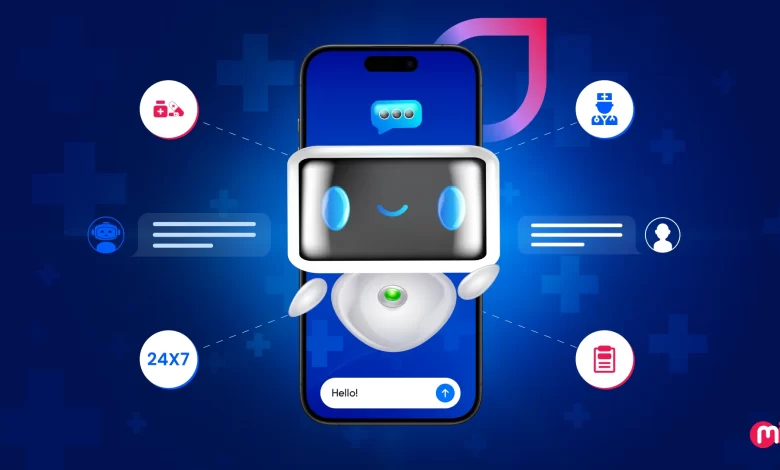
Conversational AI in healthcare is revolutionizing the way patients interact with healthcare providers. It offers a personalized touch to the healthcare experience, making it more efficient and convenient for both patients and providers. According to a survey by McKinsey, a quarter of customers struggle to get the care they need, highlighting the importance of AI in healthcare.
The evolution of AI, machine learning, and big data analytics has paved the way for advanced tools in diagnostics, monitoring, and treatment. Conversational AI is emerging as a transformative force in the healthcare sector, offering benefits like 24/7 assistance for symptom management, appointment scheduling, and mental health support.
Conversational AI enhances operational efficiency for healthcare providers by automating routine queries and documentation, analyzing medical history patterns for faster decision-making, and streamlining follow-ups and scheduling. It also improves customer service by providing consistent responses to high-volume patient interactions.
For patients, conversational AI provides 24/7 access to information, tailored health guidance based on symptoms and medical history, remote monitoring capabilities, and better access to medical reports and prescriptions. It simplifies tasks like booking appointments, checking test reports, and managing prescriptions through automated self-service tools.
Use cases of conversational AI in healthcare include automated appointment booking, symptom assessment, medication adherence, real-time updates on lab reports, virtual health assistants, patient feedback collection, mental health support, insurance claim handling, and chronic disease management.
Real-world examples of conversational AI in healthcare include Mayo Clinic’s symptom checker, Cleveland Clinic’s virtual health assistant, and NHS 111 online triage service. While the benefits of conversational AI are vast, there are challenges like data security and privacy, accuracy and reliability, integration with existing systems, user adoption and trust, cybersecurity considerations, and algorithm bias and fairness.
Implementing conversational AI in healthcare involves defining objectives and use cases, choosing the right technology stack, collecting and preparing data, developing or choosing a conversational AI model, training and fine-tuning the model, integrating it with the platform, implementing multi-channel support, ensuring security compliance and regulation, evaluating performance, and providing user training and support.
At MindInventory, we specialize in building clinic-grade conversational AI solutions for healthcare providers. Our AI chatbots and agents support symptom guidance, follow-ups, scheduling, and patient engagement, all while ensuring security, accuracy, and regulatory compliance. We help organizations deploy conversational AI that is clinically useful and operationally efficient, integrating seamlessly with existing systems and providing a personalized healthcare experience.
The future of conversational AI in healthcare looks bright, with advancements in AI and machine learning making it more intuitive, customized, and secure. It is transforming the healthcare industry, making care more accessible and efficient for patients and providers alike.