Copper joins gold in broad commodities sell-off. There’s a worrying reason behind it
The recent turmoil in the global economy has led to a sharp decline in metal prices, with investors expressing concerns about the impact of rising oil prices due to the U.S.-Iran conflict. Gold and silver prices have plummeted by nearly 6% and 8% respectively, while industrial metals like copper and palladium have also experienced a significant drop of 2% and 5.5%.
Despite gold being considered a safe-haven asset, its value has been diminishing since the conflict began, attributed to fears of inflation resurfacing and keeping interest rates elevated. The surge in oil prices has raised worries about inflation, leading to higher interest rates which in turn diminish the appeal of non-yielding assets like gold. Additionally, a stronger dollar resulting from higher rates has further weighed down on gold prices.
Peter Boockvar, CIO at One Point BFG Wealth Partners, highlighted that the risk of inflation eradicating the anticipated Fed rate cuts and the likelihood of interest rate hikes globally have been the primary factors affecting gold prices. The U.S. 10-year Treasury yield crossed 4.300% at one point on Thursday, further impacting the precious metal market.
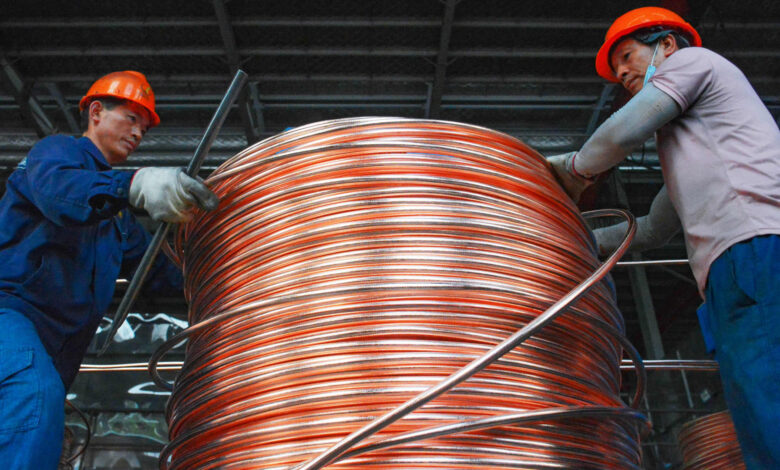
On the other hand, copper and palladium initially remained stable at the onset of the conflict but have now started to show signs of decline as concerns surrounding economic growth intensify. These industrial metals are essential components in various applications, with copper being utilized in electronic devices, electrical wiring, and plumbing systems.
The prevailing consensus on Wall Street is that prolonged conflict could lead to sustained high oil prices, altering consumer and business spending patterns, potentially culminating in a recession. The concept of “demand destruction” during an energy crisis is a significant topic of discussion among traders and investors, with the looming threat of recession looming large.
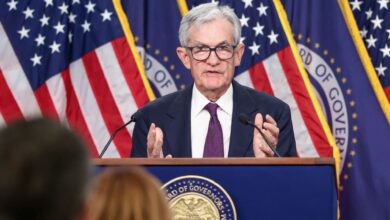
While some foresee a scenario of stagflation, characterized by slow growth and high inflation, others like Ed Yardeni of Yardeni Research believe that history may not necessarily repeat itself, citing past instances where oil shocks did not lead to a recession. Federal Reserve Chair Jay Powell also downplayed the likelihood of stagflation during a recent press conference.
As the war continues, the stabilization of industrial metal prices is contingent upon its resolution, while gold could potentially rebound as attention shifts to countries grappling with escalating debts and deficits. The ongoing military expenditures could exacerbate deficits, making gold an attractive investment in the current economic climate.
Despite the potential risks of stagflation, some experts like Christian Mueller-Glissmann, head of asset allocation research at Goldman Sachs, view gold as a viable investment in such a scenario. He emphasized that in the event of ongoing stagflation, gold prices could receive a boost from investor demand for real assets and FX diversification.
In conclusion, amidst market fluctuations and evolving headlines, the fundamental principles of long-term wealth accumulation remain steadfast. Investors are encouraged to stay informed and seek actionable strategies for more strategic and disciplined investing. Joining platforms like CNBC Pro LIVE can provide valuable insights and guidance for individuals at all levels of expertise in navigating the ever-changing financial landscape.