Corporation for Public Broadcasting, funder of NPR and PBS, says it will end operations within months after federal budget cuts
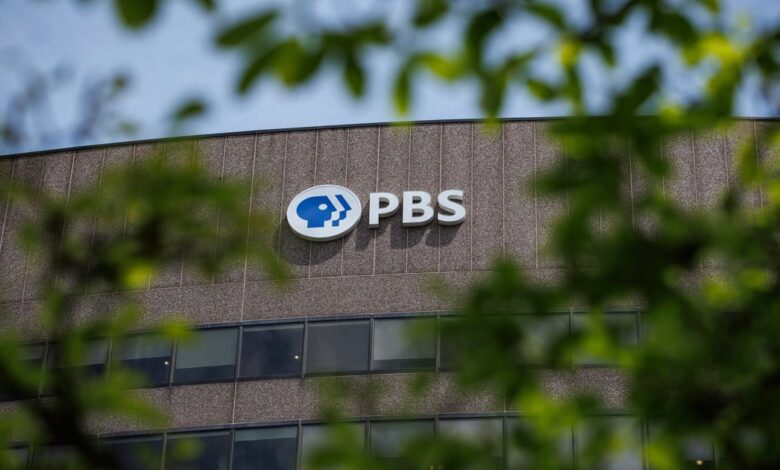
The recent decision by the Trump administration and Congress to eliminate funding for the Corporation for Public Broadcasting (CPB) has sent shockwaves through the world of public media. The CPB, a private nonprofit organization founded in 1967, has long been a crucial source of funding for over 1,500 local public radio and television stations, as well as for PBS and NPR. With its funding now cut, the CPB has announced that it will begin winding down its operations, leaving many in the industry wondering about the future of public broadcasting in the United States.
President Trump’s executive order in May instructed the CPB to cease federal funding for PBS and NPR, a move that was further supported by the House and Senate. The House approved a request to claw back $1.1 billion in federal funds from the CPB, while the Senate Appropriations Committee’s 2026 appropriations bill eliminated funding for the CPB for the first time in over 50 years. This decision has forced the CPB to make the difficult choice to close its operations, leading to the loss of jobs for its approximately 100 employees.
Despite efforts by millions of Americans to preserve federal funding for the CPB, the organization is now facing the reality of shutting down. CPB President and CEO Patricia Harrison expressed her disappointment in a statement, emphasizing the organization’s commitment to fulfilling its responsibilities and supporting its partners through the transition. The CPB has informed its employees that a majority of staff positions will conclude at the end of the fiscal year on Sept. 30, 2025, with a small transition team remaining until January 2026 to ensure a responsible closeout of operations.
The decision to eliminate funding for the CPB has not only impacted the organization itself but has also raised concerns about the future of public media in the country. PBS and NPR, two of the most prominent public media organizations, have long been targets of Republican criticism and have been bracing for potential cuts. The broadcasters receive significant funding through the CPB, and the loss of this support could have far-reaching consequences.
NPR President and CEO Katherine Maher warned that defunding public radio could pose a real risk to the public safety of the country, particularly in rural areas. NPR stations rely heavily on federal funding, with some receiving more than 50% of their budget from government support. Maher highlighted the crucial role that public media plays in providing vital alerts during emergencies such as storms, floods, and wildfires, emphasizing the potential impact of station closures and layoffs.
The future of public broadcasting in the United States remains uncertain as the CPB prepares to wind down its operations. The decision to eliminate funding for the organization has sparked concerns about the impact on local stations, emergency alerting systems, and the overall landscape of public media. As the industry grapples with these changes, the importance of public broadcasting in providing essential information and services to communities across the country cannot be understated.