CPI inflation report January 2026:
The latest report on consumer prices in the United States has brought some relief, as inflation appears to be easing. The Bureau of Labor Statistics announced that the consumer price index (CPI) for January rose by 2.4% compared to the same time last year, which is lower than expected. This decrease of 0.3 percentage points from the previous month indicates a positive trend in inflation rates.
Excluding volatile food and energy prices, the core CPI increased by 2.5%, the lowest level since April 2021. Economists had predicted a 2.5% annual rate for both the overall and core CPI readings. On a monthly basis, the all-items index rose by 0.2%, while the core index increased by 0.3%, slightly below the forecasted 0.3% for both.
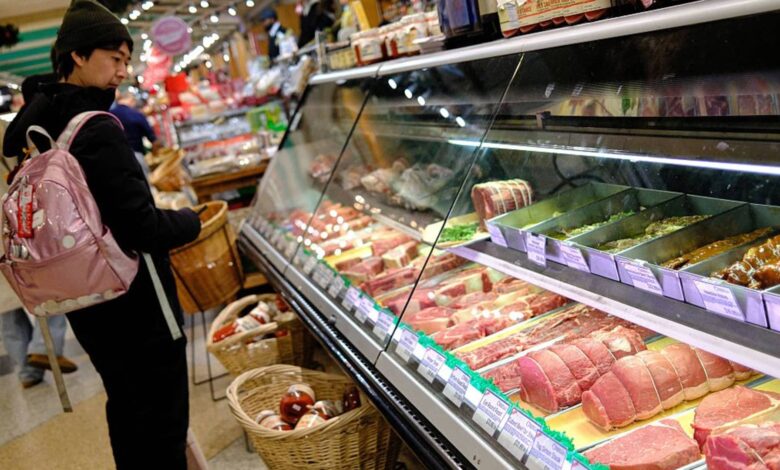
Shelter costs, which make up a significant portion of the CPI, only rose by 0.2% in January, bringing the annual increase down to 3%. Food prices saw a 0.2% increase, with most grocery categories experiencing gains. Energy prices fell by 1.5%, and vehicle prices remained relatively stable, with new vehicles increasing by just 0.1% and used cars and trucks decreasing by 1.8%. Airline fares surged by 6.5%, while egg prices fell by 7% and have dropped by 34% over the past year.
Following the release of the report, stock market futures remained steady, and Treasury yields decreased. Economists and analysts are optimistic about the lower-than-expected inflation reading, with some forecasting a higher likelihood of Federal Reserve interest rate cuts in the coming months.
Despite the positive inflation report, the Federal Reserve continues to monitor economic indicators closely. The U.S. economy has shown resilience, with strong growth in the fourth quarter of 2025. However, concerns remain about the labor market, consumer spending, and the potential impact of tariffs imposed by President Trump.
Looking ahead, the Fed is expected to maintain its current interest rates until June, following a series of rate cuts in 2025. The incoming chair-designate, Kevin Warsh, may influence future rate decisions. Treasury Secretary Scott Bessent expressed confidence in an upcoming “investment boom” and predicted that inflation would reach the Fed’s target by the middle of the year.
The January inflation report was delayed due to the partial government shutdown, but it provides valuable insights into the current economic landscape. While the CPI is not the Fed’s primary inflation measure, it offers a glimpse into overall price trends. The Fed will continue to monitor economic data closely as it navigates the complex economic environment in the coming months.