CPI report shows inflation cooled in January, with prices rising at a 2.4% annual pace
The latest data from the Consumer Price Index (CPI) indicates a 2.4% rise in January compared to the previous year, which is slightly below economists’ expectations. This suggests that price pressures in the United States are beginning to ease.
Economists had forecasted a 2.5% increase in the CPI for January, but the actual figure fell short of that, marking the slowest pace of inflation since May 2025. This decrease from December’s 2.7% annual rate is a positive sign for the economy.
Lydia Boussour, a senior economist at EY-Parthenon, noted that the contained price pressures in January are significant, considering the usual factors that tend to push inflation rates higher during that month. The CPI tracks changes in the prices of goods and services typically purchased by consumers, such as food and apparel.
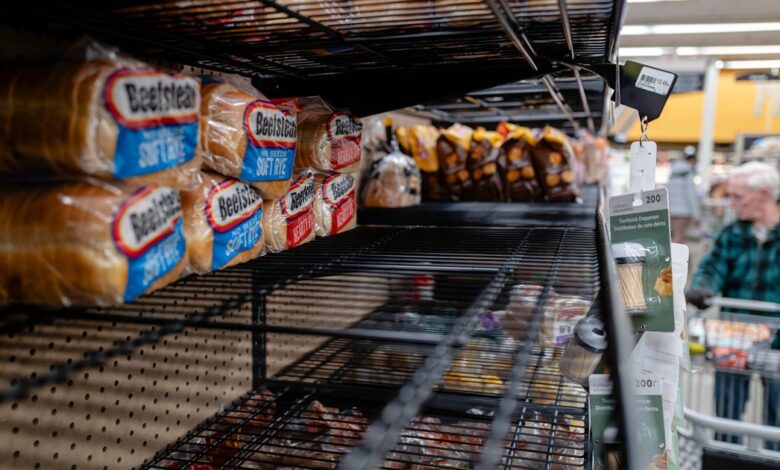
Despite the overall moderation in price increases, food and shelter costs rose at a faster rate than the overall CPI, while gasoline prices experienced a 7.5% annual decline. Certain food items like ground beef and coffee saw significant price hikes, while egg prices, which had surged during the pandemic due to avian flu outbreaks, have now decreased by over 34% from a year ago.
Core inflation, which excludes volatile food and energy prices, rose by 2.5% over the past 12 months, the lowest level since March 2021. However, the Federal Reserve’s preferred inflation gauge, Personal Consumption Expenditures, remains at nearly 3%, above the central bank’s 2% target.
While the easing of price pressures may provide some relief to consumers, many still feel the burden of the rising cost of living. According to CBS News polling, a significant number of Americans struggle to afford essential goods like housing and utilities. The perception of inflation for individuals is often influenced by their everyday expenses, rather than the CPI numbers.
The impact of the Trump administration’s tariffs on inflation has been milder than initially expected, with the economy showing strong performance in 2025. Additional price pressures may stem from factors like tax refunds, lower interest rates, and increased business investment.
Although experts believe that the Fed is unlikely to cut interest rates in the near future, the recent CPI data suggests a positive trend towards achieving the central bank’s 2% inflation target. The solid economic growth and healthy job market further support the notion that a rate cut may not be necessary at this time.
Overall, the latest CPI data indicates a positive trend towards easing price pressures and a more stable economic outlook. The Federal Reserve is expected to continue monitoring the situation closely before making any decisions regarding interest rates.