CPI rose at 2.7% annual rate in December as inflation remains sticky
The latest data on the Consumer Price Index (CPI) for December 2025 showed that prices rose at an annual rate of 2.7%, in line with economists’ expectations. This marks the same rate of increase as the previous month, reflecting the ongoing pressure on Americans’ wallets due to rising prices.
The CPI tracks changes in the cost of a basket of goods and services typically purchased by consumers, including food and apparel. Inflation remained steady at 2.7% in December, matching the rate from November. Core inflation, which excludes volatile food and energy prices, rose by 2.6% over the past 12 months, slightly below economists’ predictions of a 2.7% increase.
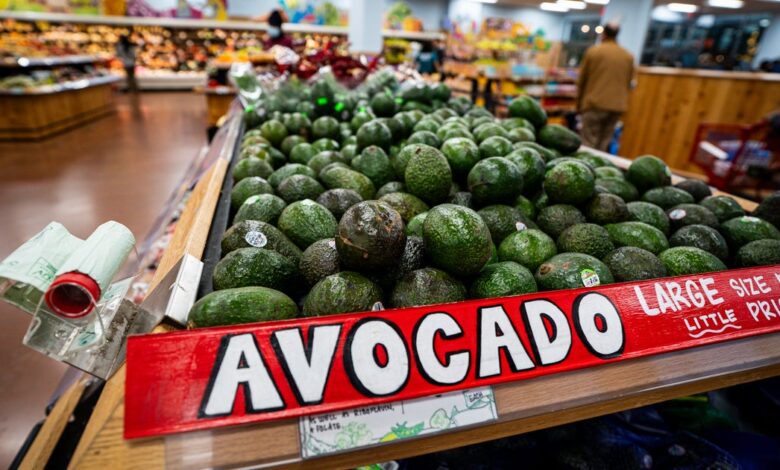
Food prices saw a significant jump of 3.1% in December, up from a 2.6% increase in November and the highest increase since August. This surge in food prices has put a strain on many Americans who are already struggling to make ends meet. Prices for ground beef rose by 15.5%, coffee by 19.8%, and bananas by 5.9%, while eggs saw a price decrease of 20.9% compared to a year ago.
Throughout 2025, inflation remained relatively stable, staying at or below 3% for most of the year. Despite this, the impact of tariffs announced by the Trump administration caused prices to rise for several months. However, retailers absorbed some of these costs, preventing a more significant spike in inflation.
Analysts note that while inflation is not accelerating, it remains above the Federal Reserve’s target rate of 2%. Core inflation was cooler than expected in December, with a 0.2% increase compared to the predicted 0.3%. This suggests that inflation may be starting to stabilize.
The latest CPI report indicates that price pressures are increasing across key consumer categories, such as food and shelter. While inflation may be cooling in some areas, Americans continue to face high costs in essential goods and services.
With the Federal Reserve scheduled to meet later in January, experts predict that the central bank will likely keep interest rates steady. Investors are expecting rates to remain in the 3.5% to 3.75% range. The combination of inflation data and a lower unemployment rate is likely to influence the Fed’s decision on interest rates.
Overall, the latest CPI data highlights the ongoing challenges of rising prices for American consumers. As the economy navigates a complex landscape, the impact of inflation on households remains a significant concern.