CPI rose at a rate of 2.9% in August as U.S. inflation ticked higher
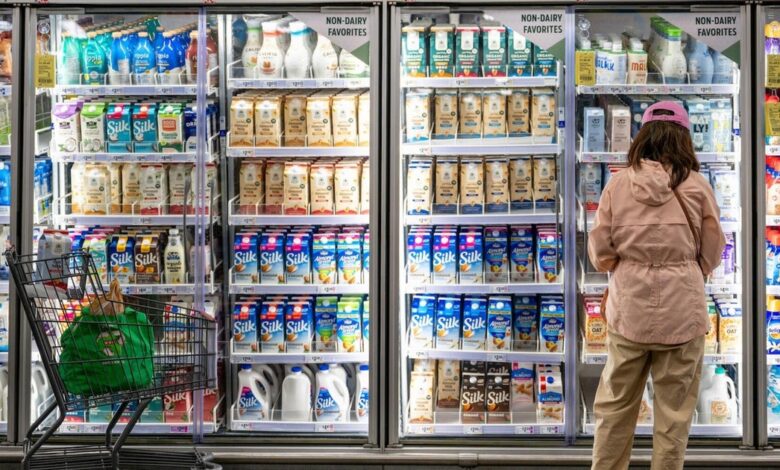
The latest data on the Consumer Price Index (CPI) for August shows a 2.9% increase from a year earlier, in line with economists’ expectations. This rise in prices was anticipated as President Trump’s tariffs began to impact the economy.
By the numbers, economists had predicted a 2.9% increase in the CPI for last month. The CPI tracks the changes in prices of goods and services that are commonly purchased by consumers, such as food and apparel. Inflation has remained at 3% or lower this year, with July’s CPI reading at 2.7%.
Despite the relatively low inflation rates earlier this year, prices have been gradually climbing in recent months, moving away from the Federal Reserve’s 2% annual target. This trend has led to a growing sense of unease among Americans about the state of the economy, with a CBS News poll revealing that two-thirds of consumers believe prices have continued to rise in the past few weeks.
Economists attribute the upward pressure on prices to the wide-ranging tariffs imposed by the Trump administration. These tariffs are paid by U.S. businesses to the government and are often passed on to consumers in the form of higher-priced goods. The Federal Reserve has refrained from cutting rates in 2025 due to concerns that tariffs could fuel inflation.
However, with signs of strain in the labor market, Fed Chair Jerome Powell has hinted at the possibility of a rate cut at the central bank’s upcoming meeting on September 17. Lowering interest rates can stimulate hiring by making it more affordable for businesses to borrow money, thereby facilitating expansion and job creation.
Despite the uptick in inflation, the Fed is still likely to proceed with a rate cut next week. Seema Shah, Chief Global Strategist at Principal Asset Management, believes that weaker job data will outweigh concerns about rising prices and support a rate reduction.
Some imported products, like coffee and furniture, have seen significant price increases due to tariffs. Food prices have also risen, driven by higher restaurant costs. Consumers are feeling the pinch of these price hikes, with many reporting a rise in household expenses and cutting back on discretionary spending to cope.
One such consumer, Kali Daugherty from Milwaukee, Wisconsin, shared her experience of spending more on groceries and feeling the financial strain. She noted that there is no longer any room for flexibility in her budget due to the increased cost of living.
In conclusion, while inflation is on the rise, the Fed is likely to prioritize a rate cut to address concerns about the economy. The impact of tariffs on consumer prices underscores the need for careful monitoring and policy adjustments to maintain a balance between economic growth and price stability.