Critical US-Iran nuclear talks on shaky ground
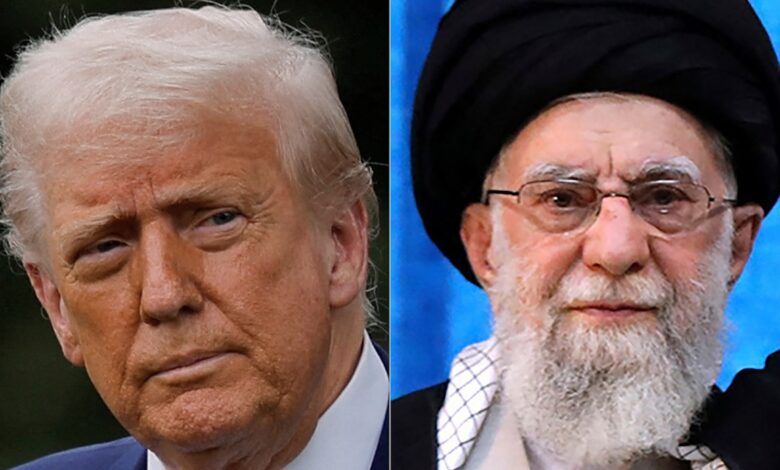
The ongoing high-stakes negotiations surrounding Iran’s nuclear program have entered a new phase of uncertainty as the U.S. and Iran find themselves at odds over the terms of a proposed interim agreement put forth by the Trump administration. The objective of this temporary agreement is to lay the groundwork for a more comprehensive, long-term deal.
In a recent address, Iran’s supreme leader, Ayatollah Ali Khamenei, strongly criticized the proposed agreement, stating that it goes against Iran’s core principles of power. He made it clear that Iran would not halt its uranium enrichment activities on its own soil, emphasizing the importance of this aspect to their nuclear program.
Iran’s foreign minister, Seyed Abbas Araghchi, further emphasized Iran’s stance by stating “no enrichment, no deal” in a post on social media platform X. This firm position taken by Iran sharply contrasts with President Donald Trump’s assertion that no uranium enrichment would be allowed under any potential agreement.
Despite the conflicting statements from both sides, U.S. officials have indicated that the initial interim proposal does not outright prohibit Iran from engaging in low-level uranium enrichment while a more permanent solution is negotiated. This discrepancy in positions has led to uncertainty regarding the exact terms of the proposed agreement.
The possibility of a sixth round of negotiations between the U.S. and Iran remains up in the air, with discussions ongoing about a potential meeting in the near future. President Trump has hinted at involving Russian leader Vladimir Putin in the negotiations, seeking Moscow’s assistance in reaching a swift resolution.
However, recent developments have dampened optimism on both sides. An Iranian official, speaking anonymously to ABC News, criticized the U.S.’ proposed terms as unreasonable and expressed concerns over the changing positions of the U.S. delegation. Iran is also seeking clarity on the lifting of sanctions, a crucial issue for the country’s struggling economy.
In light of these challenges, both Iranian officials like Araghchi and Khamenei have expressed reservations about the U.S. proposal, citing ambiguities and unanswered questions. The road ahead for the negotiations remains uncertain, with both sides grappling with trust issues and differing priorities.
As the diplomatic dance continues, the future of the negotiations over Iran’s nuclear program remains uncertain, with key players navigating a complex web of political and strategic considerations. The path to a lasting agreement is fraught with challenges, but the stakes are high for all involved parties.